Start here
The wall of arrival
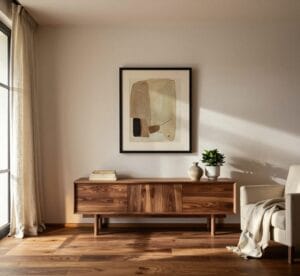
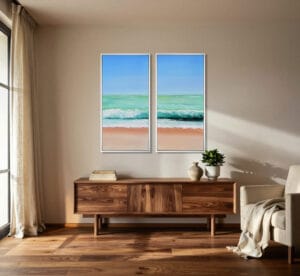
Before the first piece arrives, the room has already made a decision. This note is about learning to read it.
Try this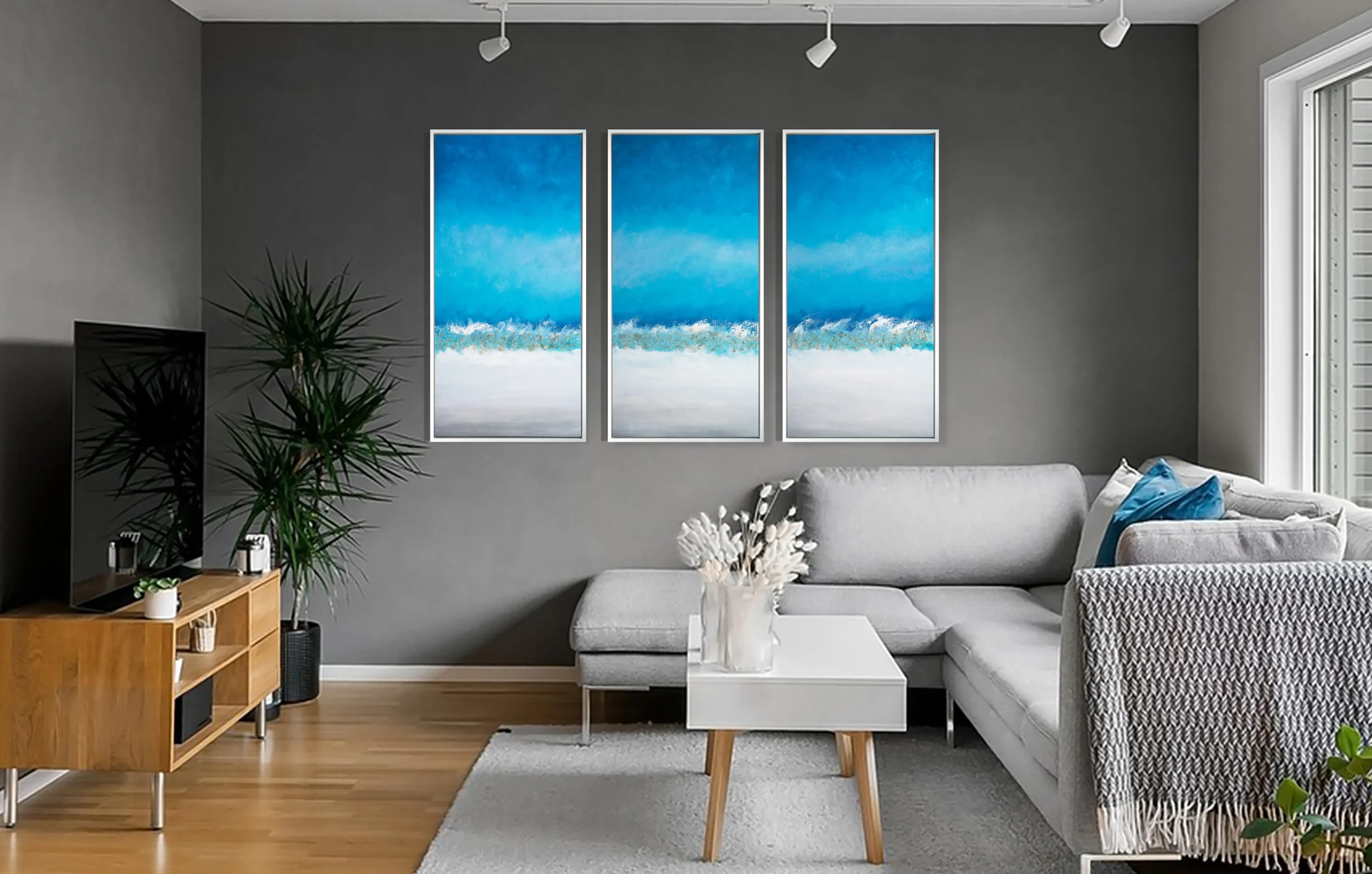
A father-and-daughter studio in Sarasota, guiding art, architecture, and care before each piece reaches the home.
Bonum is a father-and-daughter studio in Sarasota, Florida. Art, architecture, and fine art training meet here to help a room become calmer, warmer, and more complete.
We do not begin with a sale. We begin with the room: its light, scale, proportion, and the feeling the person wants to live with every day.
Each work is created, selected, framed, prepared, and presented with one purpose — so the piece can arrive ready to belong, and the room can feel calmer, clearer, and more complete.
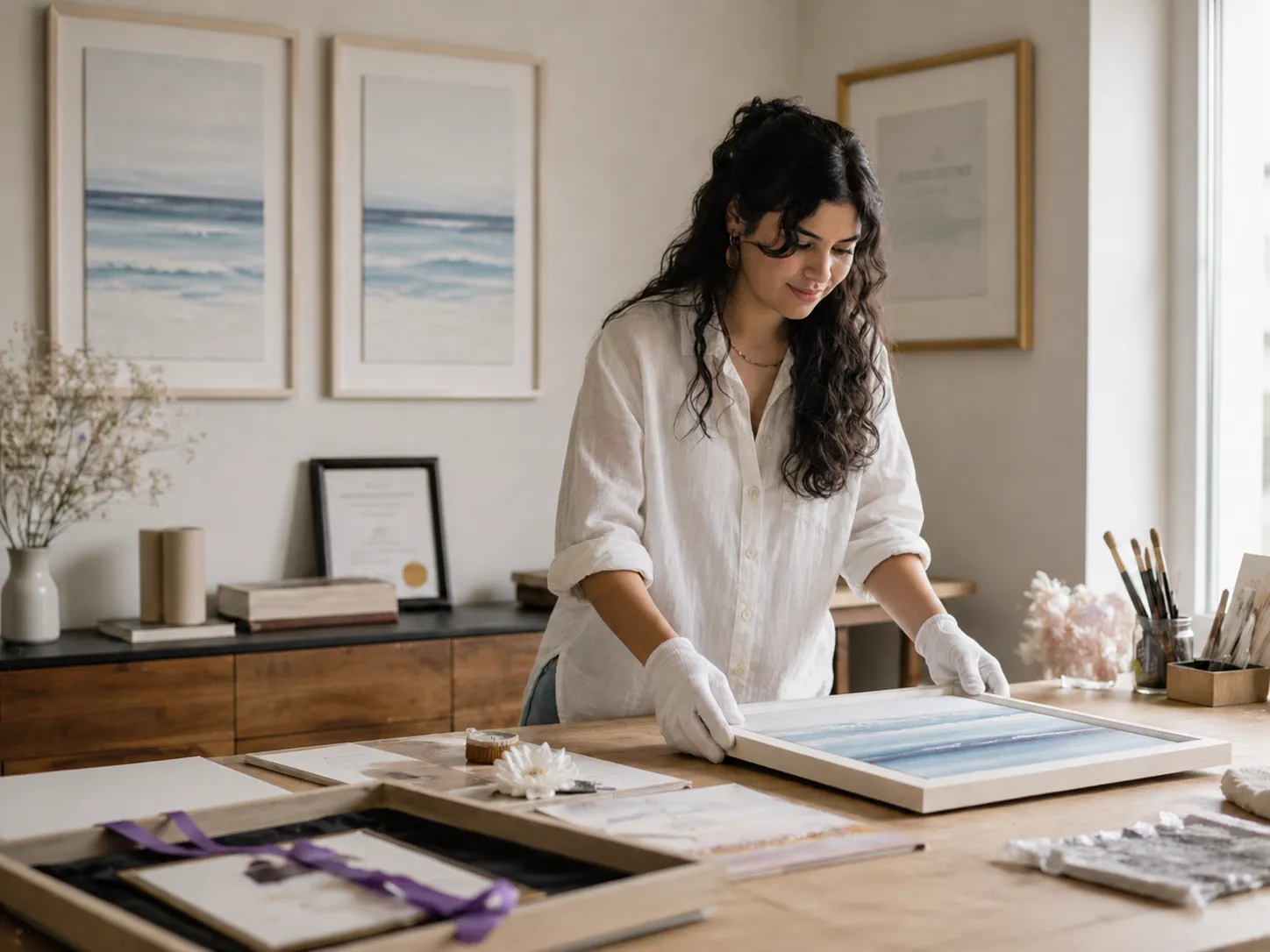
Four moments before the piece reaches the home — a short pause to feel the promise: a room prepared to become calmer, clearer, and more complete.
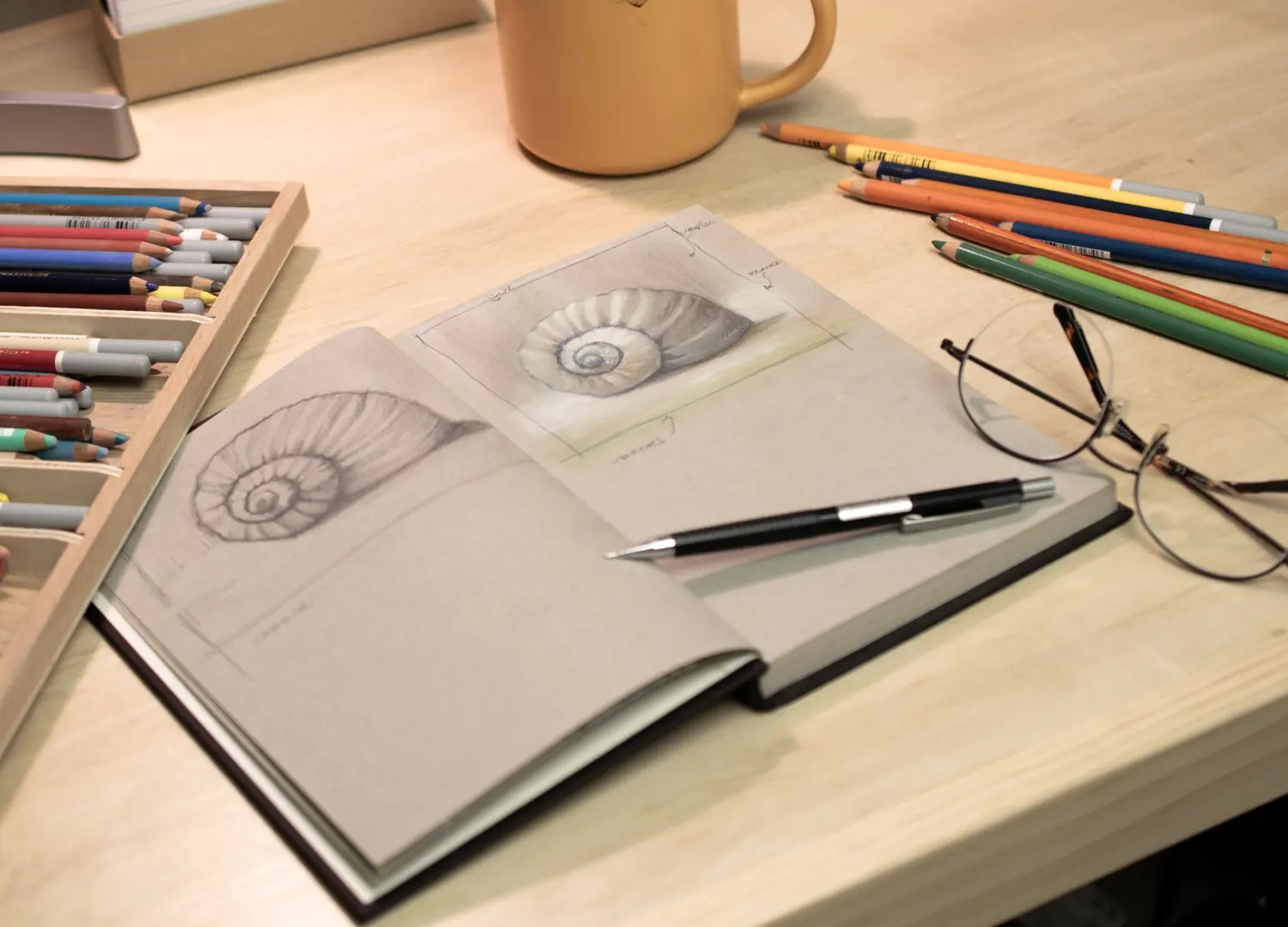
Before the room receives the work, the idea finds its first quiet shape.
A sketch is not a finished promise yet. It is the first reading of proportion, light, restraint, and the feeling the room may need.
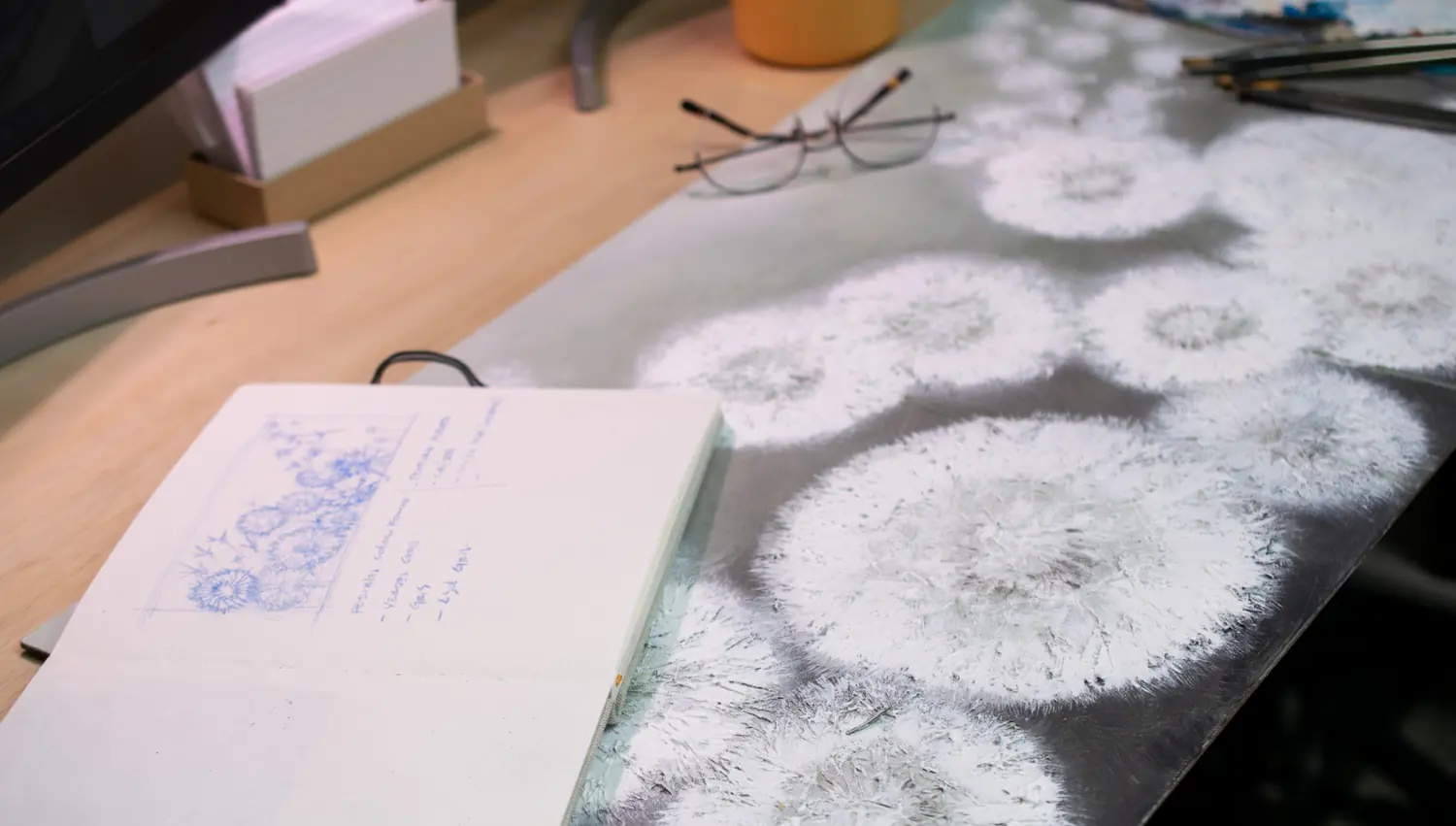
The material begins to hold light, pause, and touch.
Texture is built slowly so the work can give the room more than image — a softer presence, a physical calm, and a surface worth returning to.
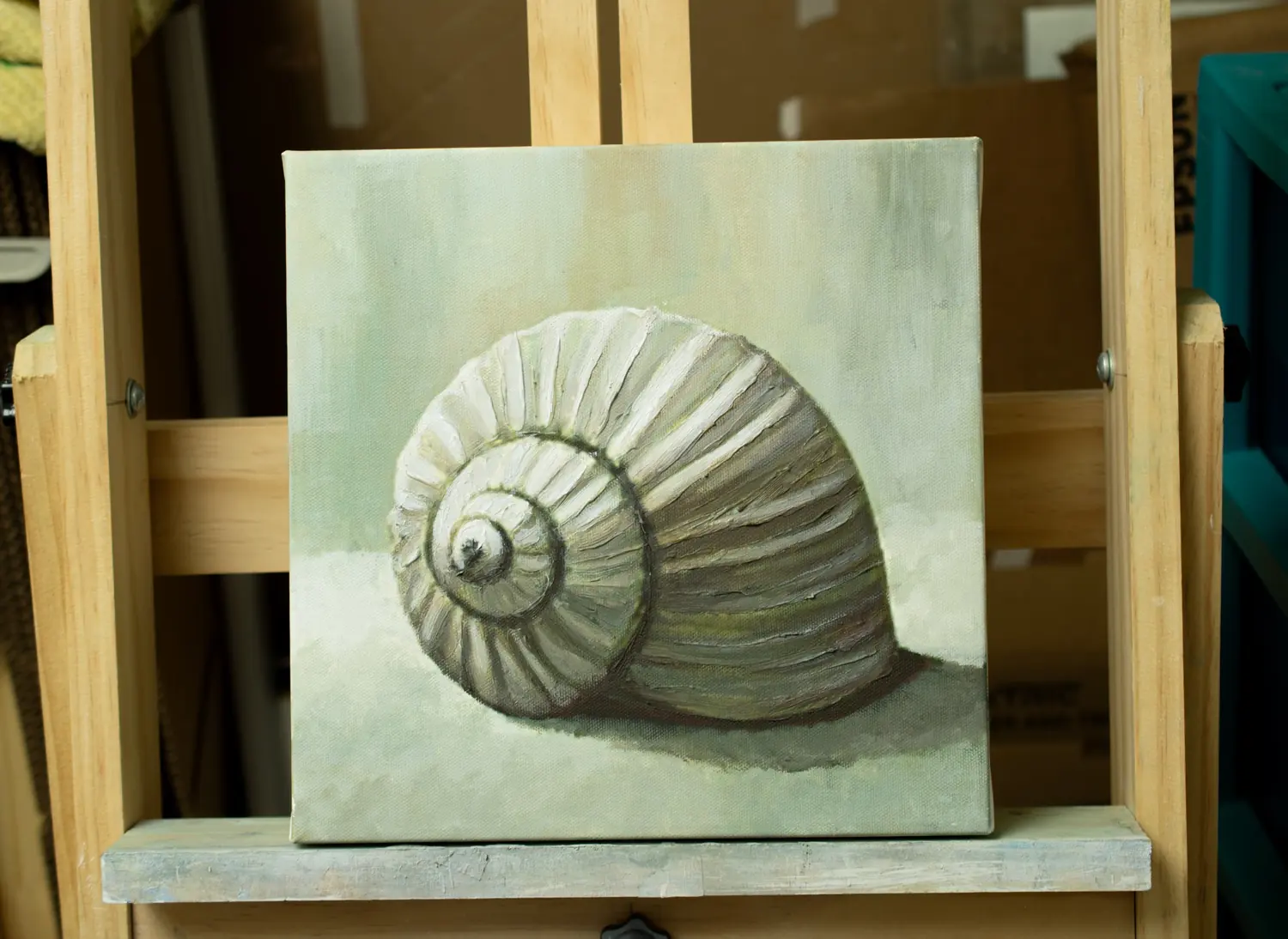
Some decisions appear only after the piece has been left in quiet.
From the easel, the work is watched for balance, edge, weight, and silence — until nothing unnecessary asks to remain.
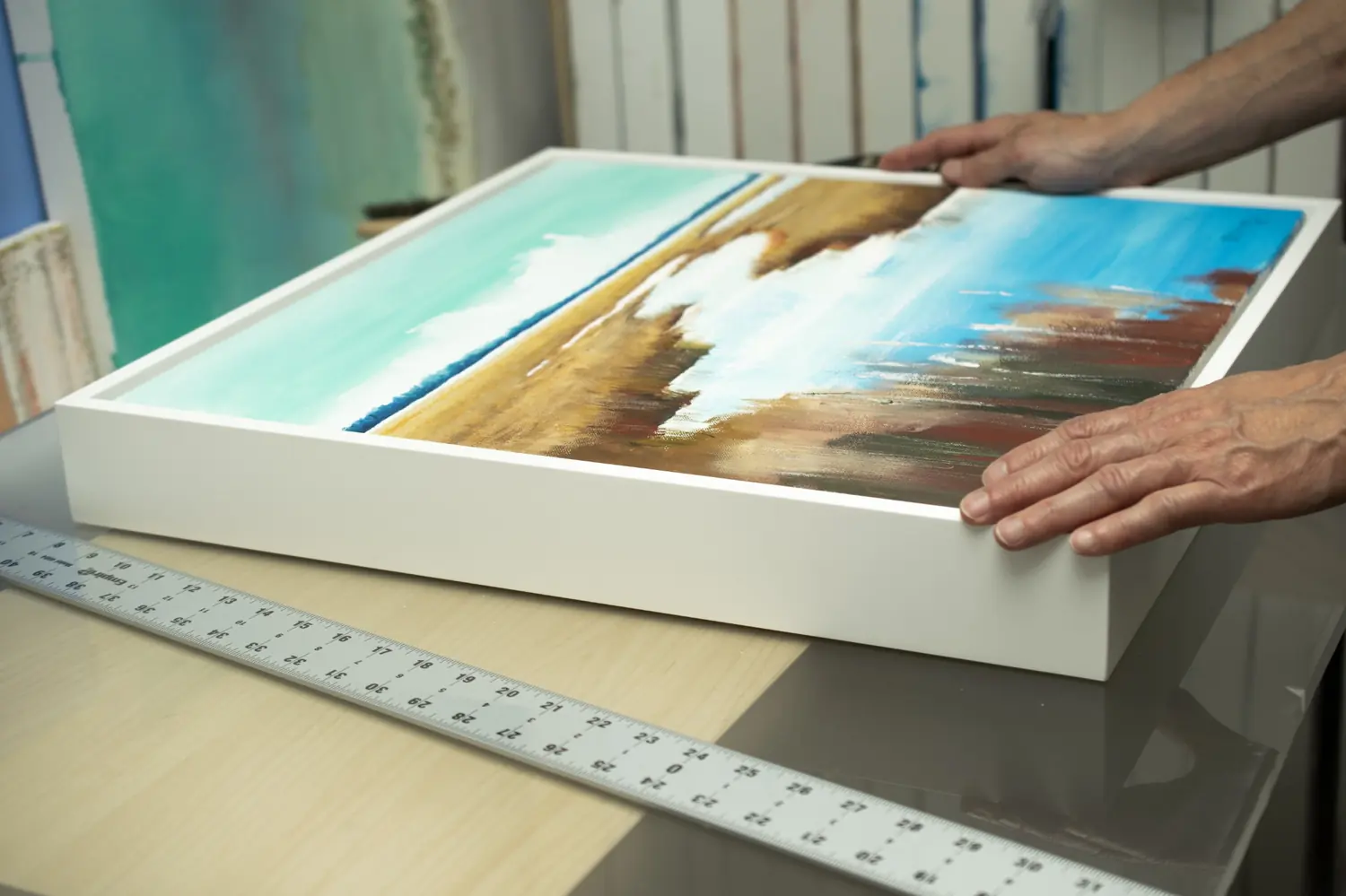
The final edge is part of how the piece belongs.
Frame, scale, protection, and presentation are considered so the work enters the home calmly — not as a product, but as a prepared arrival.
Before the room receives the work, the idea finds its first quiet shape.
A sketch is not a finished promise yet. It is the first reading of proportion, light, restraint, and the feeling the room may need.
The material begins to hold light, pause, and touch.
Texture is built slowly so the work can give the room more than image — a softer presence, a physical calm, and a surface worth returning to.
Some decisions appear only after the piece has been left in quiet.
From the easel, the work is watched for balance, edge, weight, and silence — until nothing unnecessary asks to remain.
The final edge is part of how the piece belongs.
Frame, scale, protection, and presentation are considered so the work enters the home calmly — not as a product, but as a prepared arrival.
Short notes you can put to use the same day, arranged by the question you're actually asking — and added to each month.
Placement, proportion, light, and intention inside the home.
Before the first piece arrives, the room has already made a decision. This note is about learning to read it.
Try thisFive notes on getting placement right · each one usable the same day
The calm, presence, and harmony a considered piece brings to daily living.
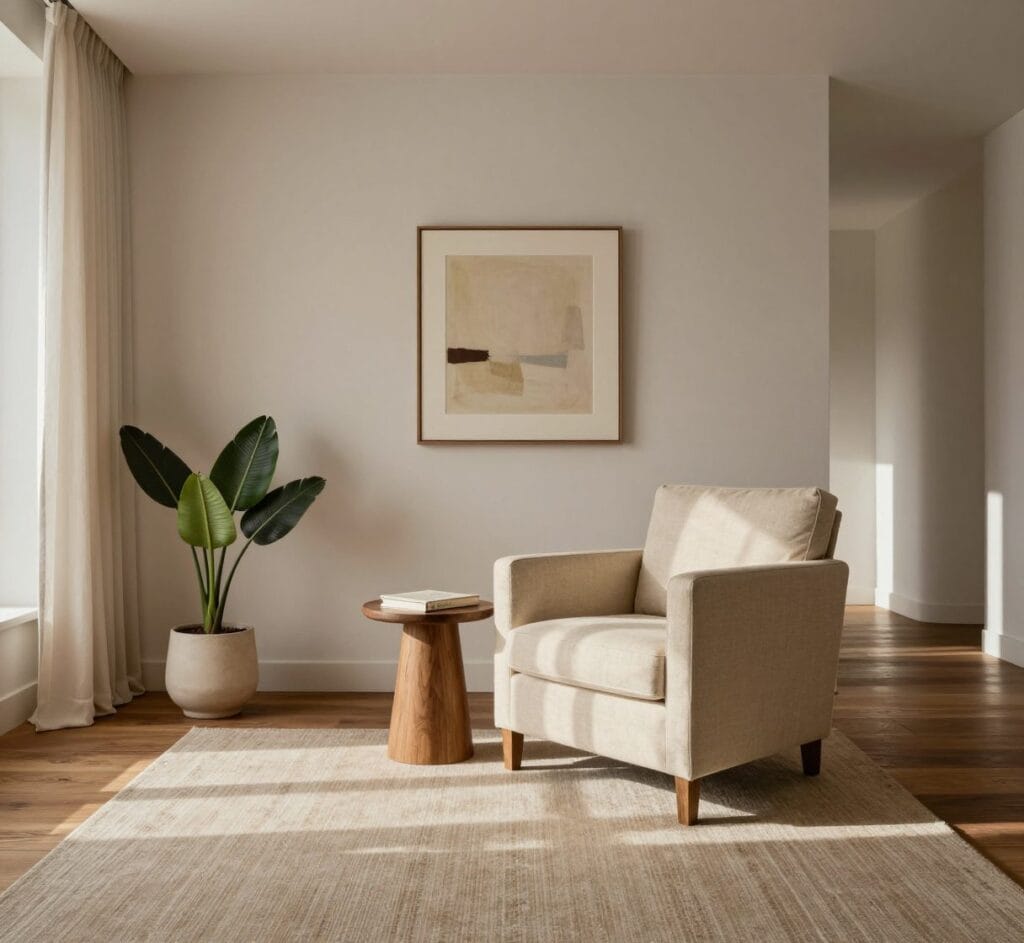
Why your body keeps choosing the same seat — and the wall it quietly asks you to resolve.
Try thisTwo notes on how a piece changes a room · each one usable the same day
Materials, framing, technique, and the slow making of each work.
What goes into a piece you'll live with for years · more notes added each month
Every note, arranged by the question you're asking.
Notes on placement, calm, process, and the kind of choices that help a home feel more complete. No noise. No constant promotions.
Send one wall. A short studio note comes back — so the room can move toward calm, clarity, and belonging before a single piece is suggested.
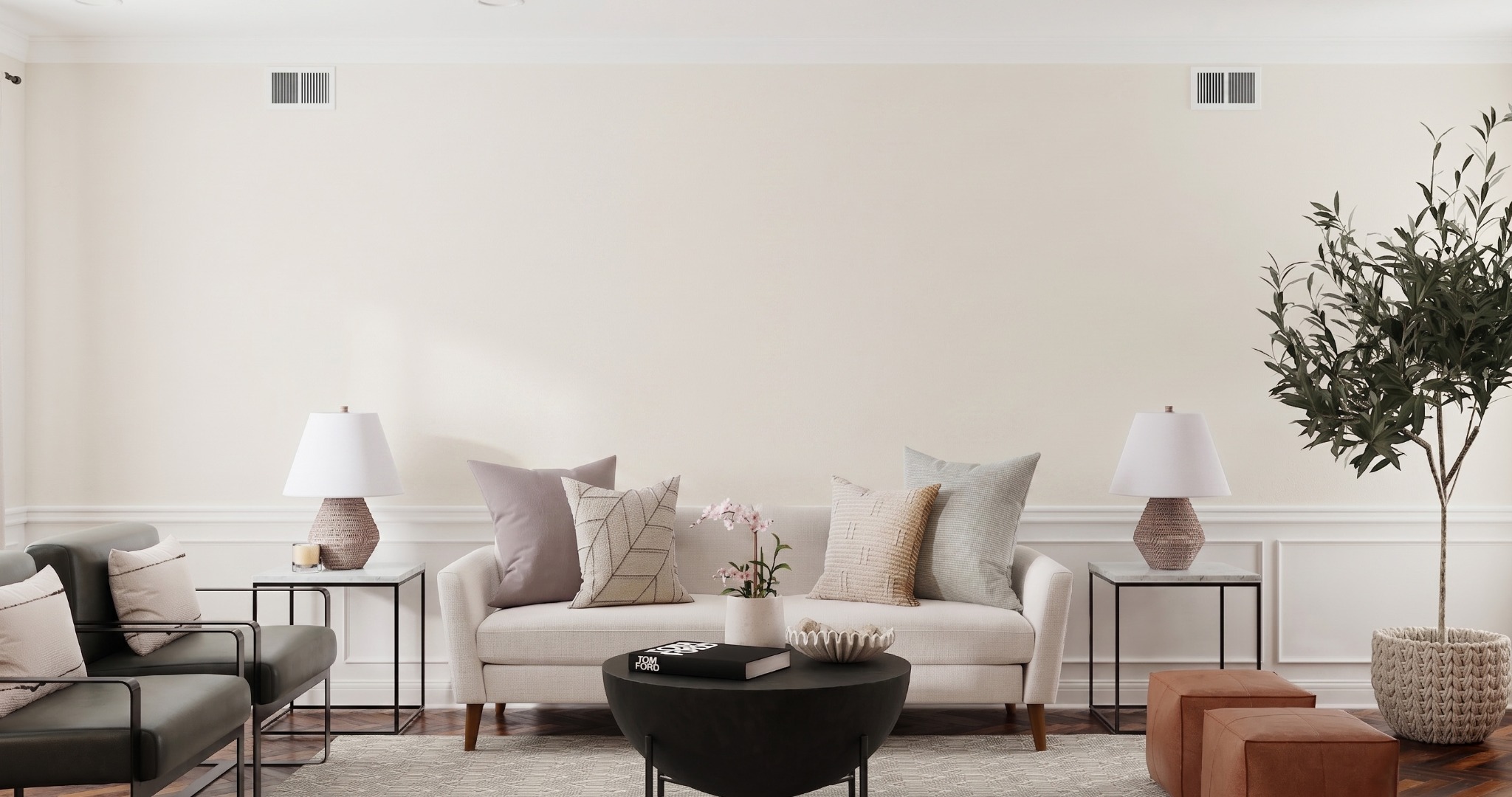 Your wall, today
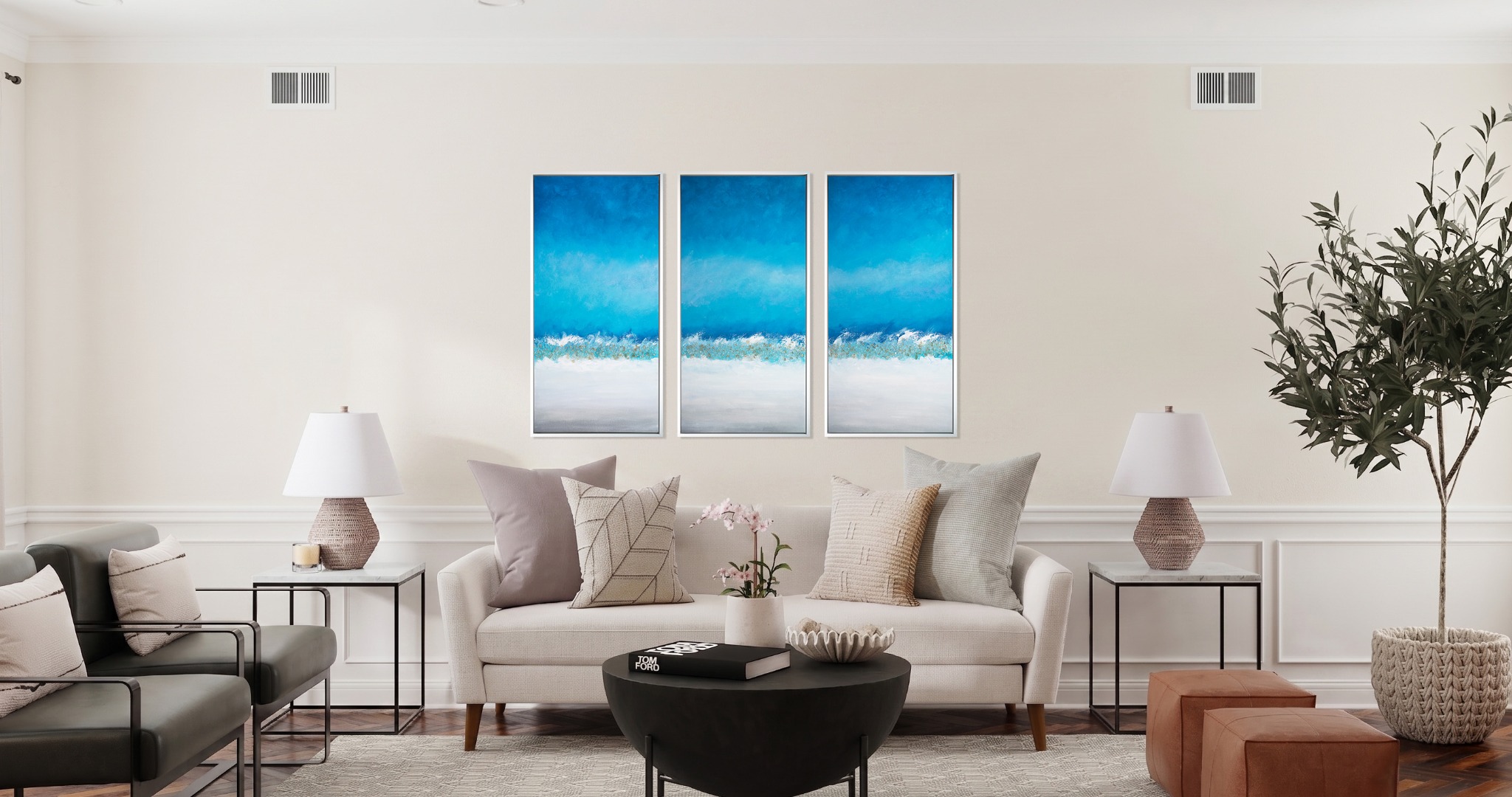 With the right presence
A complimentary studio reading for one wall — not a sales conversation. Send a photograph, approximate measurements, and one sentence about how you want the room to feel. Sometimes the answer may be a piece. Sometimes it may be space, height, light, or restraint.
Begin a room note →Your home is the hero. The promise is a room that feels calmer, clearer, and more fully itself.
What a considered wall gives backWith thanks to the photographers whose images helped shape this field library. Sourced from Pexels and Unsplash, edited for the Bonum Studio editorial experience.