The empty space around a piece isn’t wasted — it’s part of how the work reaches you.
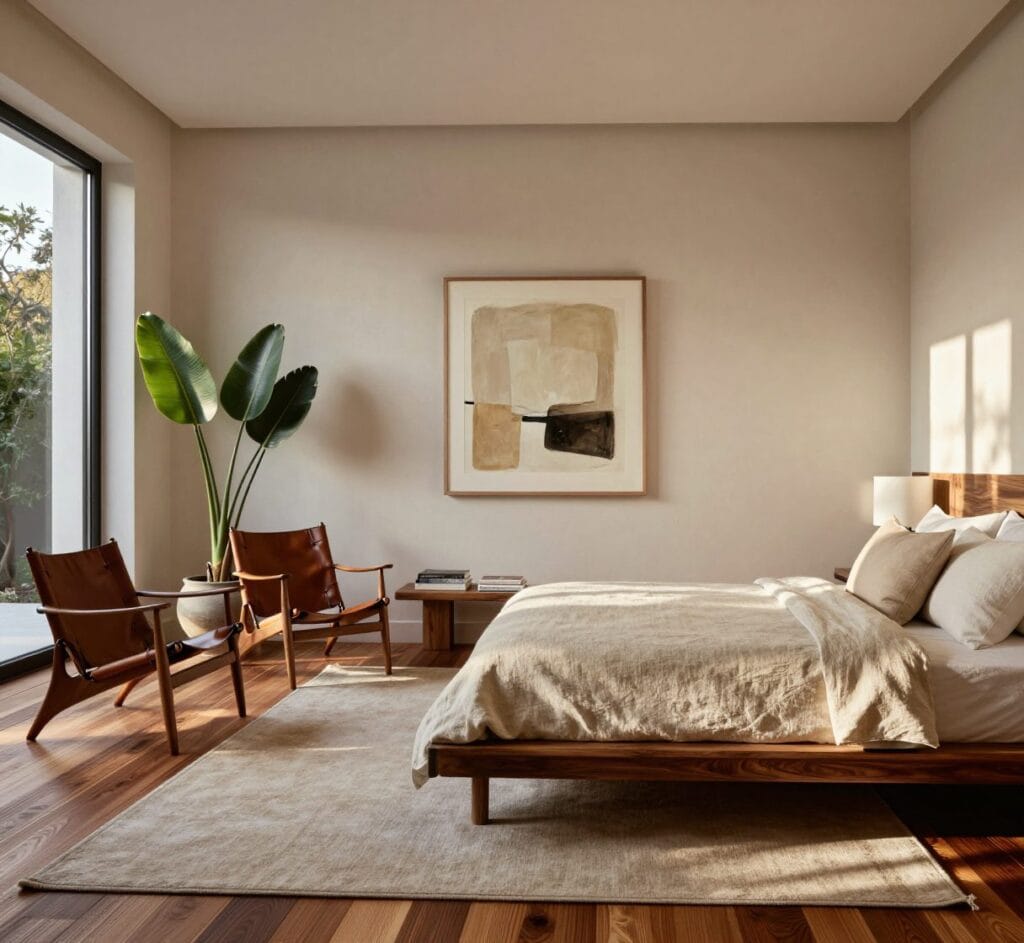
There’s an instinct to fill a wall — to add a second piece, then a third, until the space feels “done.” But a piece needs room to be seen. The empty space around a work isn’t wasted. It’s part of how the work reaches you.
Silence around a piece is what gives it presence. When a single work has a wall to itself, the eye has nowhere else to go, and the piece reads at full strength.
Crowd it, and attention splits — each piece borrows from the others until none of them lands. Empty space isn’t absence. It’s the frame the room gives a work for free.
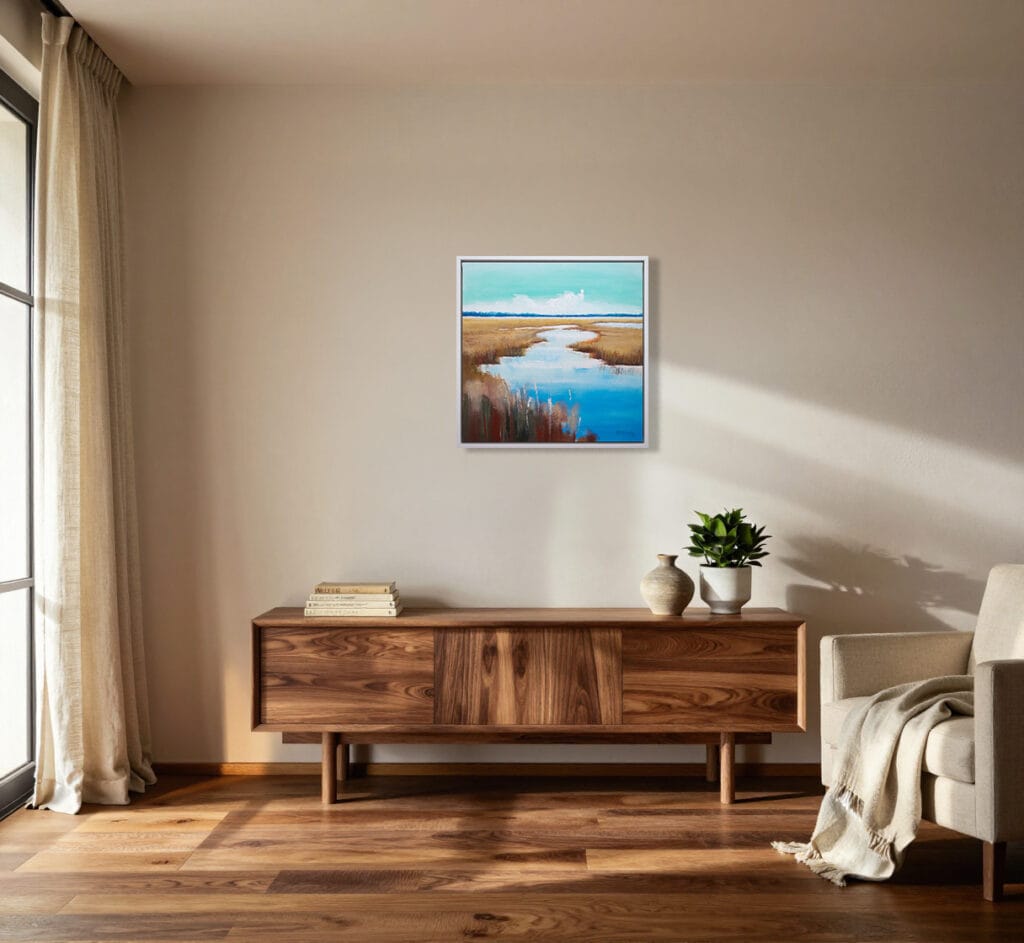
A wall left partly bare can feel unfinished at first, the way a quiet room can feel like it’s missing music. Sit with it a day and the quiet starts to work: the piece holds the wall, and the calm reads as a choice, not as a gap.
The most considered rooms are often the emptiest ones.
In your home
Give one wall to one piece,
and wait.
A piece doesn’t need company to feel complete.
Give it room, let the wall stay quiet, and the silence does half the work.
With care Bonum Studio