
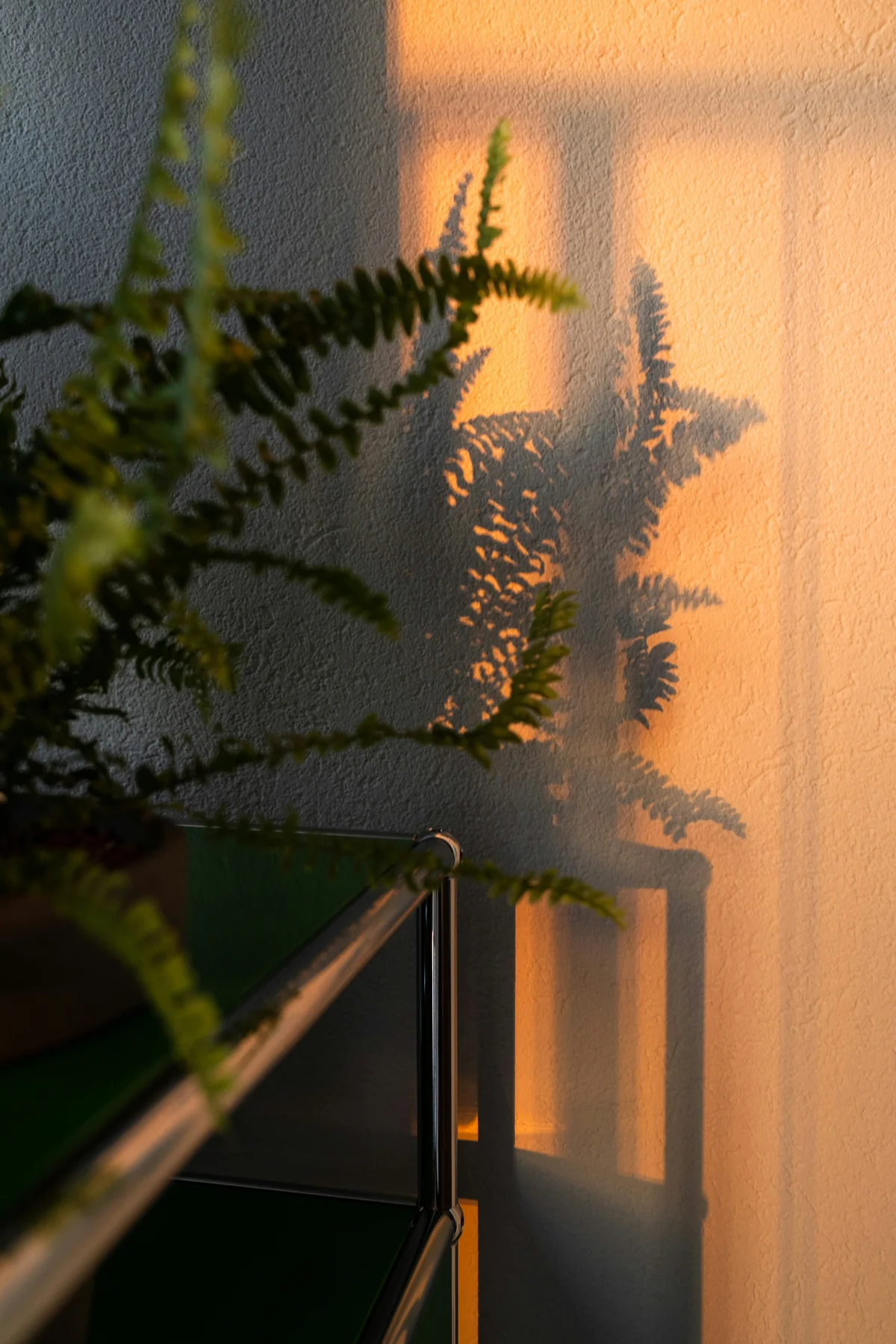
Light that reveals.
A piece poorly lit is a piece absent.
Light does not decorate a room. It reveals what matters.
The artwork changes when the light changes.
A room can hold a beautiful piece and still fail to let it appear.
The work may be well chosen, well placed, and correctly scaled. But if the light does not meet it with care, the piece becomes quiet in the wrong way.
A piece poorly lit is a piece absent.
Light gives artwork its second life. It reveals texture, edges, color temperature, shadow, surface, and depth. It allows the room to notice the piece without forcing the piece to compete.
This is especially true in a home, where light is not fixed. Morning light may soften a wall. Afternoon light may sharpen it. Evening light may make the same piece feel warmer, quieter, or more intimate.
Good placement does not end when the artwork is hung. It continues through the hours of the day.
The right wall is not only where the piece fits. It is where the light helps it breathe.
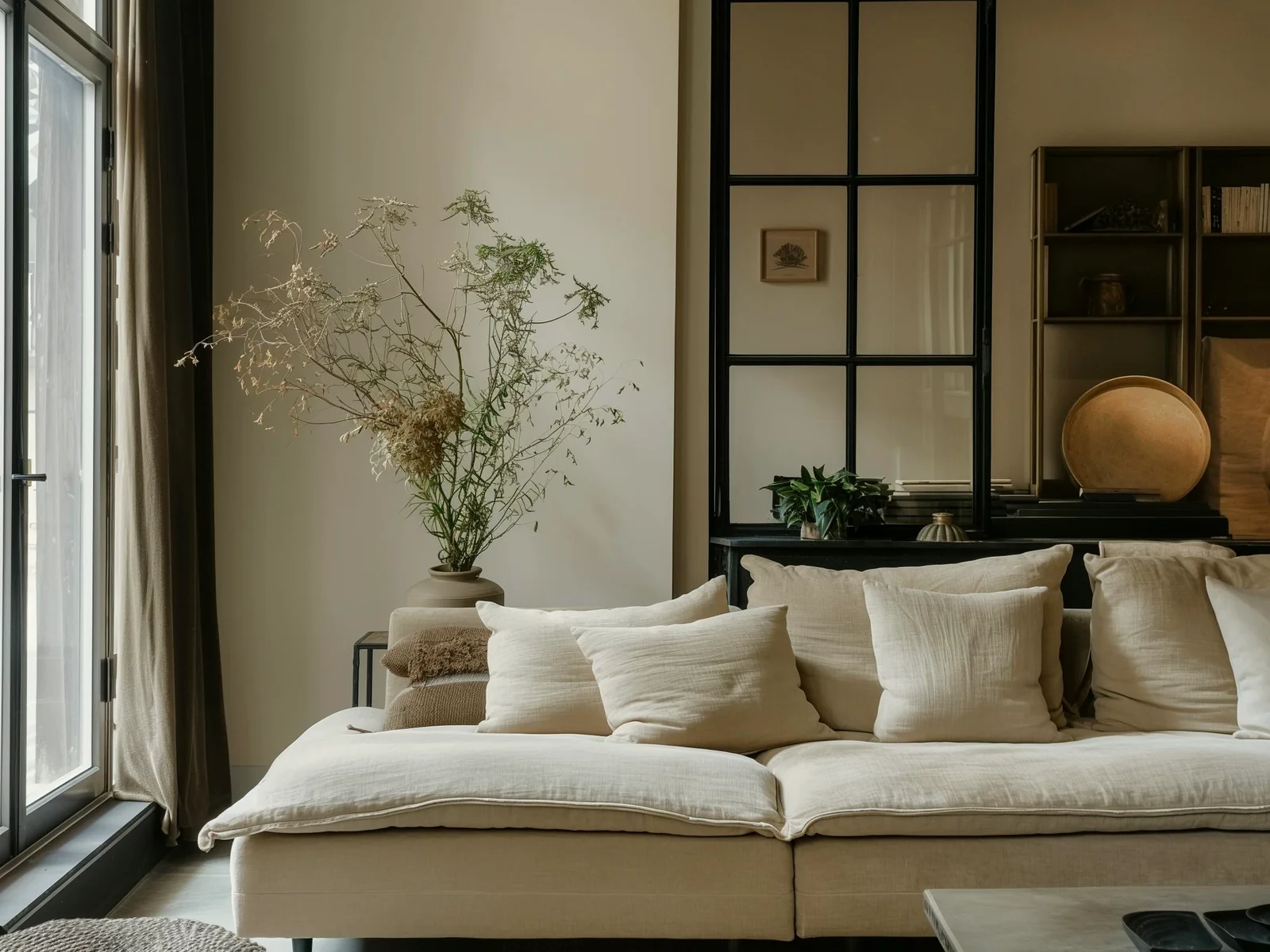
The hour of the day decides what the wall remembers.
Most people choose a wall during one moment of the day, but they live with that wall through many moments.
A piece that feels perfect at noon may disappear at night. A wall that feels empty in the morning may become alive in the afternoon. A shadow that seems accidental may become the quietest part of the room.
The question is not only whether the artwork has enough light.
The better questions are:
When does this room feel most alive?
Does the light reveal the piece, or flatten it?
Does the artwork still belong after sunset?
Natural light is emotional. Artificial light is intentional. A room needs both, but they should not fight each other.
Harsh light can make a calm piece nervous. Weak light can make a strong piece disappear. Light that comes from the wrong angle can turn texture into glare.
The goal is not brightness. The goal is presence.
When light is right, the piece does not simply hang on the wall. It participates in the room.
Observe the wall through one full day.
Before deciding that a wall is right for a piece, let the light show you how that wall behaves. These five quiet steps help you choose with more attention.
Look in the morning.
Notice whether the wall receives soft light, direct light, or no light at all. Morning often reveals the calmest version of a room.
Return in the afternoon.
Afternoon light can be stronger and more directional. Watch for glare, hard shadows, or areas where the wall becomes visually active.
Check the room at night.
Turn on the lamps you normally use. Does the piece still have presence, or does it disappear into the wall after sunset?
Watch for glare.
If the surface reflects too much light, the viewer will see the reflection before the artwork. Shift the light, not always the piece.
Let light support the mood.
A peaceful piece may need soft indirect light. A textured piece may need light from the side. A dramatic piece may need a controlled pool of illumination. Let the light match the emotional purpose of the room.
A well-lit piece does not demand attention. It becomes available to the room.
Light is not an accessory. It is part of the work.
The same piece can feel distant, flat, intimate, or alive depending on the light that meets it. When the wall, the work, and the hour are in conversation, the room becomes more than arranged. It becomes felt. The light reveals not only the artwork, but the atmosphere the home is trying to hold.
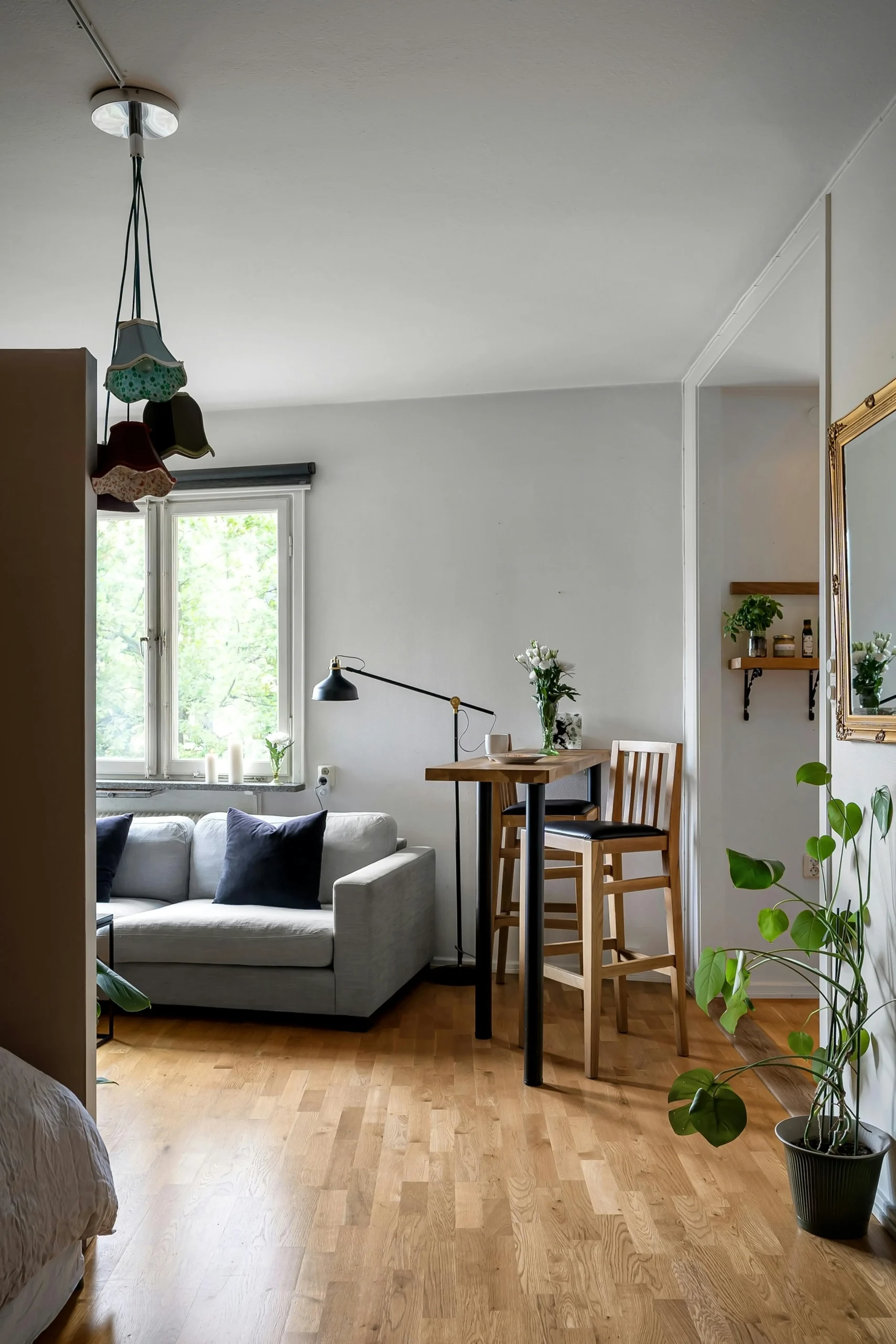
Scale as relationship.
Why size only matters in conversation with the furniture below it — and how to understand scale as a relationship, not a measurement.
Read next →Images sourced from Pexels and Unsplash, edited for the Bonum Studio editorial experience.