The material life of a piece.
Before a piece belongs to a wall, it lives at the bench — through drawing, study, surface, pause, texture, frame, and arrival. Nothing begins by chance.
The work begins before the canvas
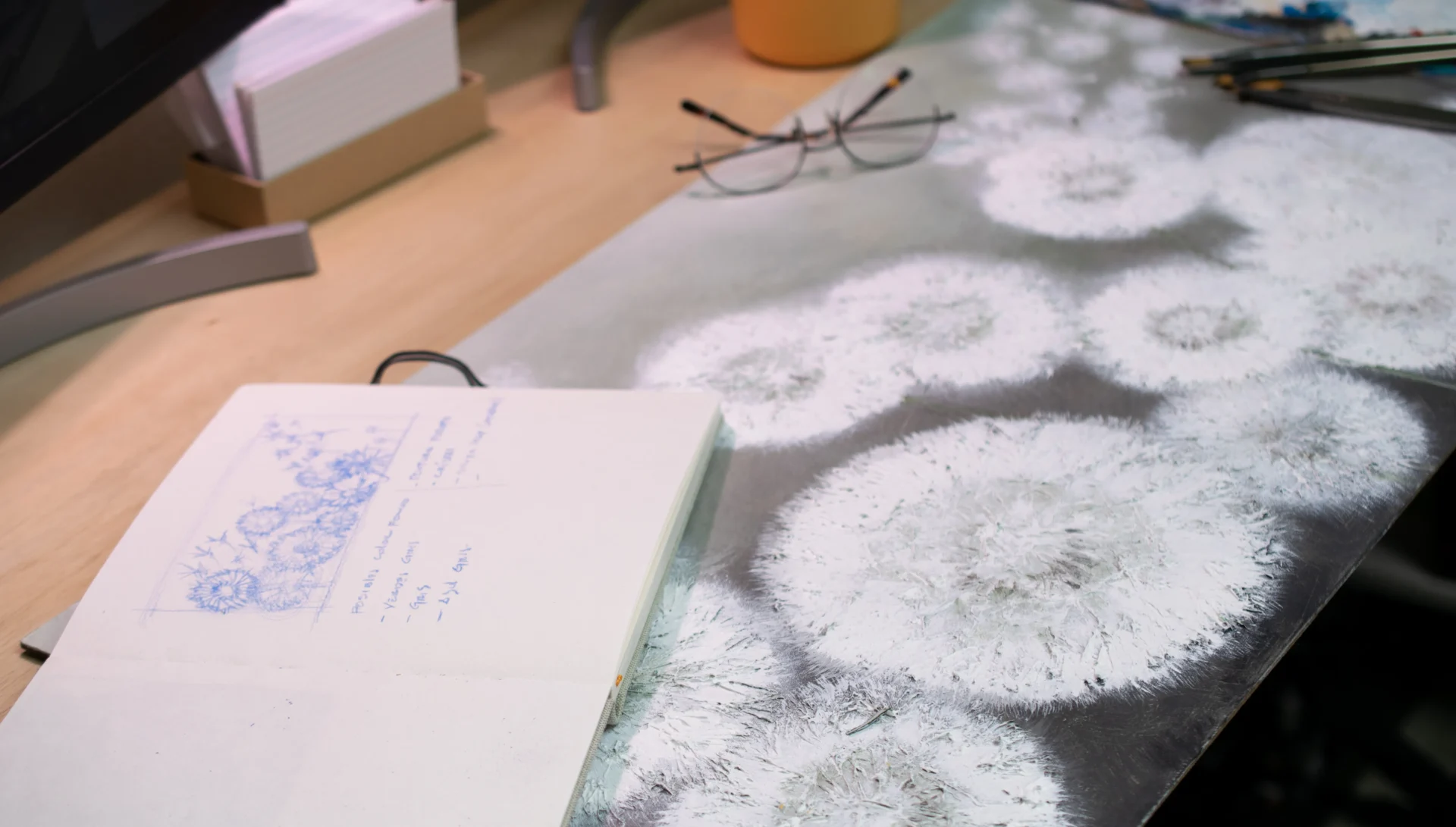
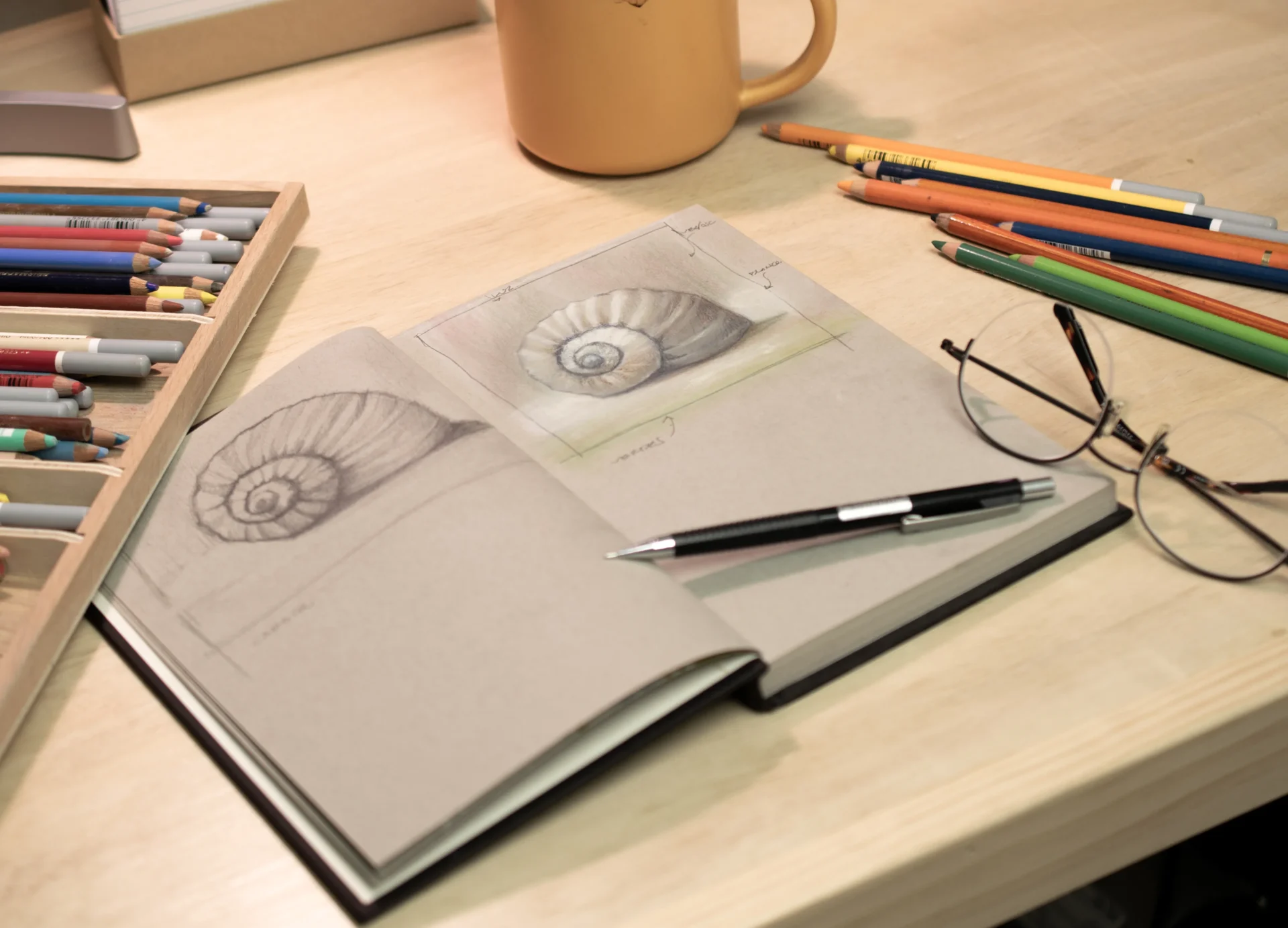
My formation is academic, rooted in the European school, and drawing remains the foundation of everything. Before painting begins, I study the subject, gather references, and let the composition reveal its structure.
The goal is never to copy reality exactly. Art begins when reality is interpreted — when the artist gives shape to what the eye sees, what the mind understands, and what the spirit wants to express.
Color notes help me test atmosphere, temperature, and emotional direction before the work moves to the canvas.
The canvas receives the plan
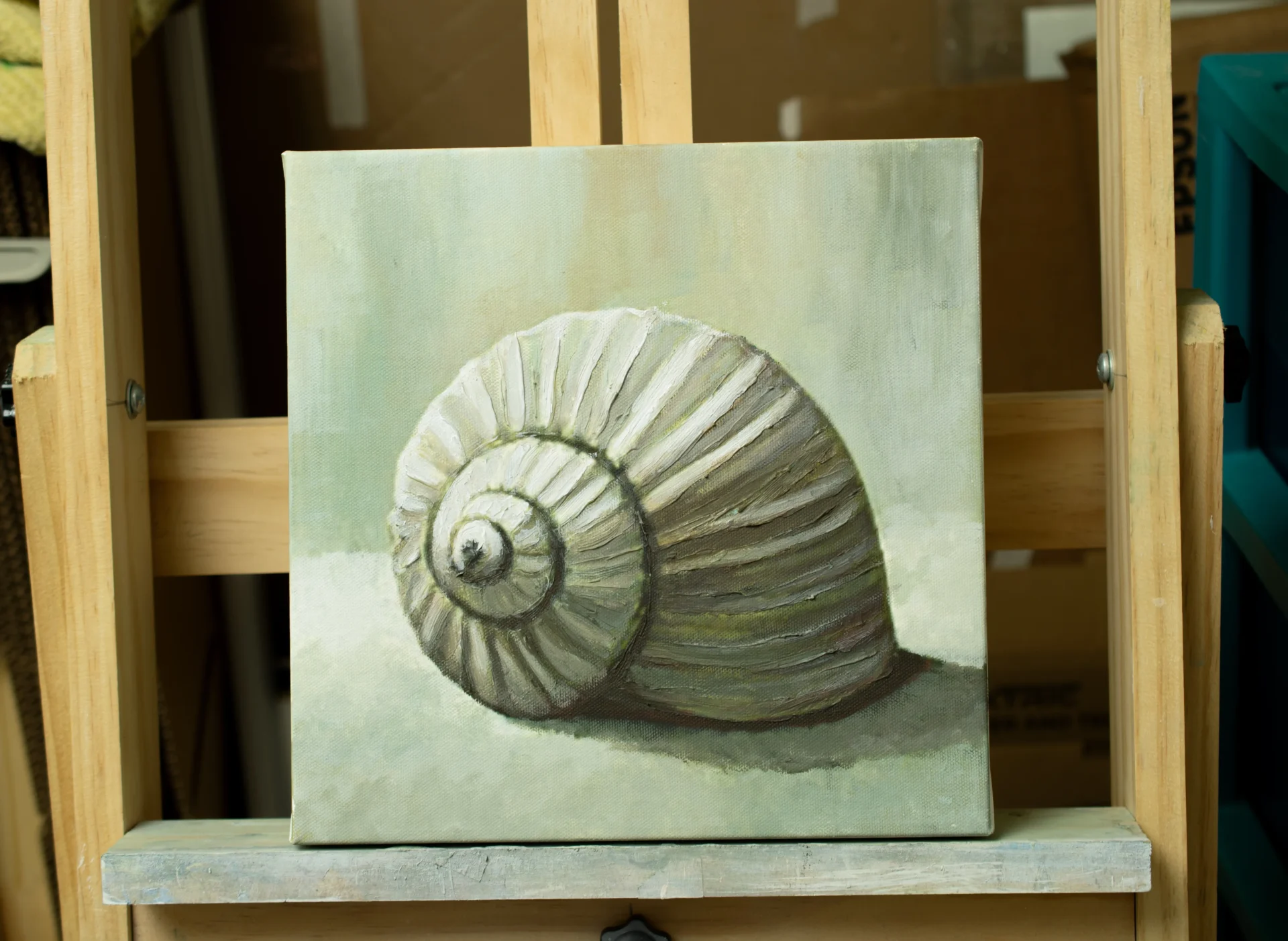
When I move to canvas, I begin with a quick drawing — enough to define zones, proportions, and spatial relationships. In many works, forms are simplified first so the composition has order before it has detail.
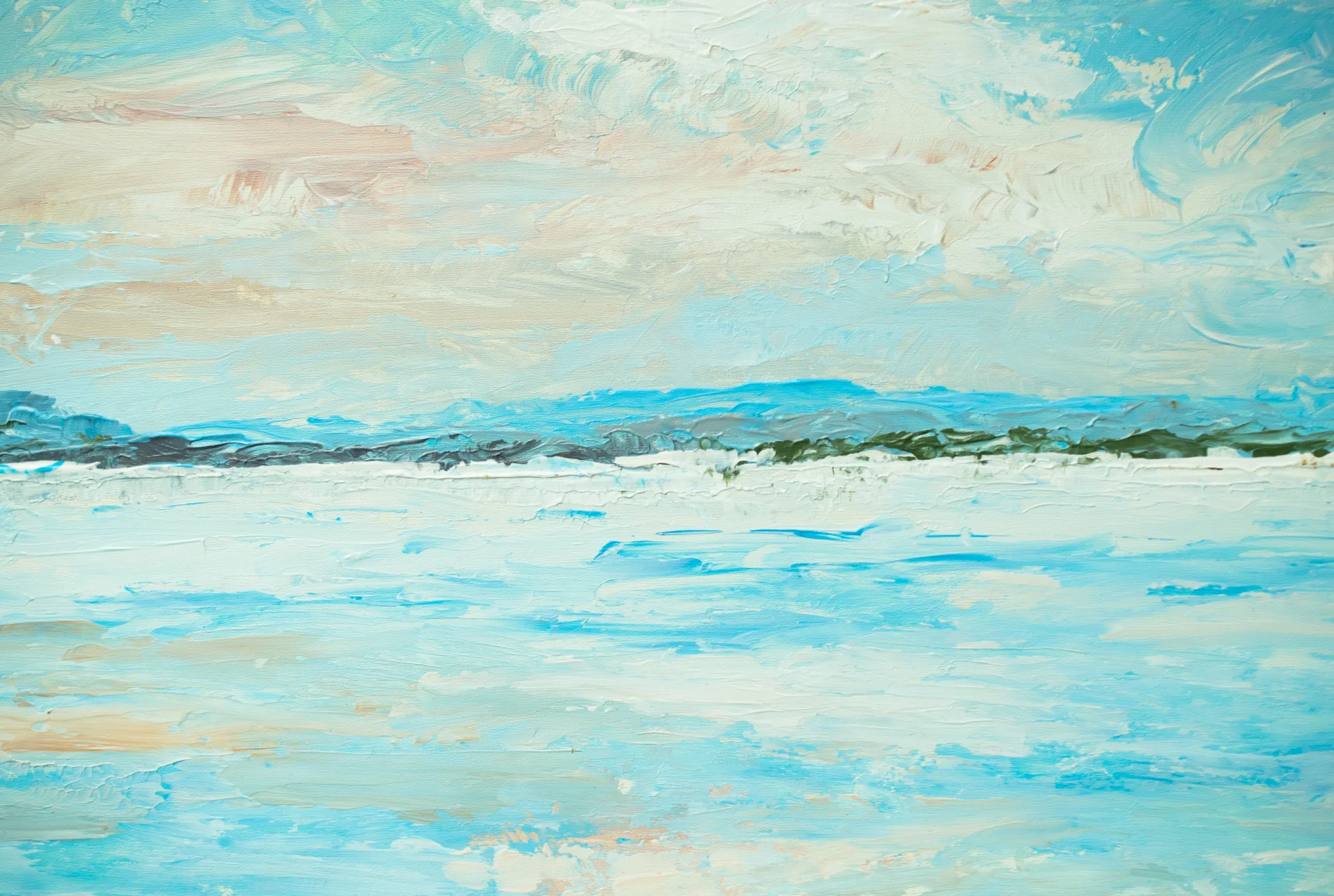
Then I decide where texture belongs. Some areas remain quiet. Others need body, surface, or impasto so that light can later move across the piece with greater depth.
Once texture is dry, the painting develops from the farthest planes toward the foreground. The most distant elements come first; the nearest details arrive last.
Flow needs pause
Once the direction is clear, I enter that state of flow where time seems to stop. But concentration can also hide things. That is why I often leave a piece resting overnight, or sometimes for a few days.
Distance allows the eye to return fresh. It reveals what should be softened, strengthened, clarified, or left alone. Many final decisions happen only after the work has had time to breathe.
When a piece becomes a limited edition
A limited edition begins with the same original discipline: drawing, composition, color study, surface, and painterly decision. The difference comes later, when the work is translated into edition form.
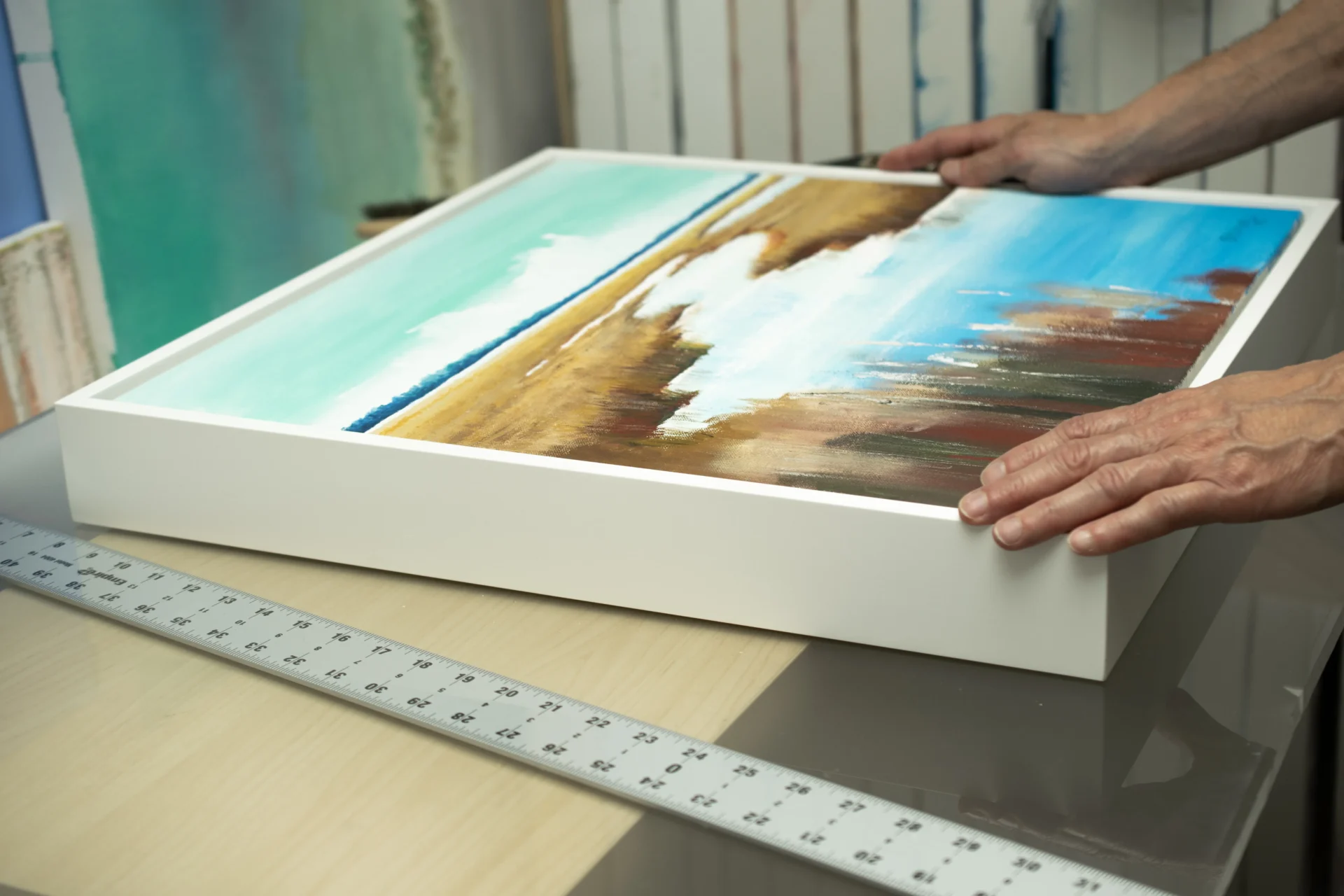
The image is printed on professional Epson canvas with Epson archival pigment inks, then stretched and returned to the studio. There, each piece is hand-finished with subtle texture and color accents.
This is why no limited edition is a simple print. Each one carries quiet variations from the hand-finishing process.
The frame completes the object
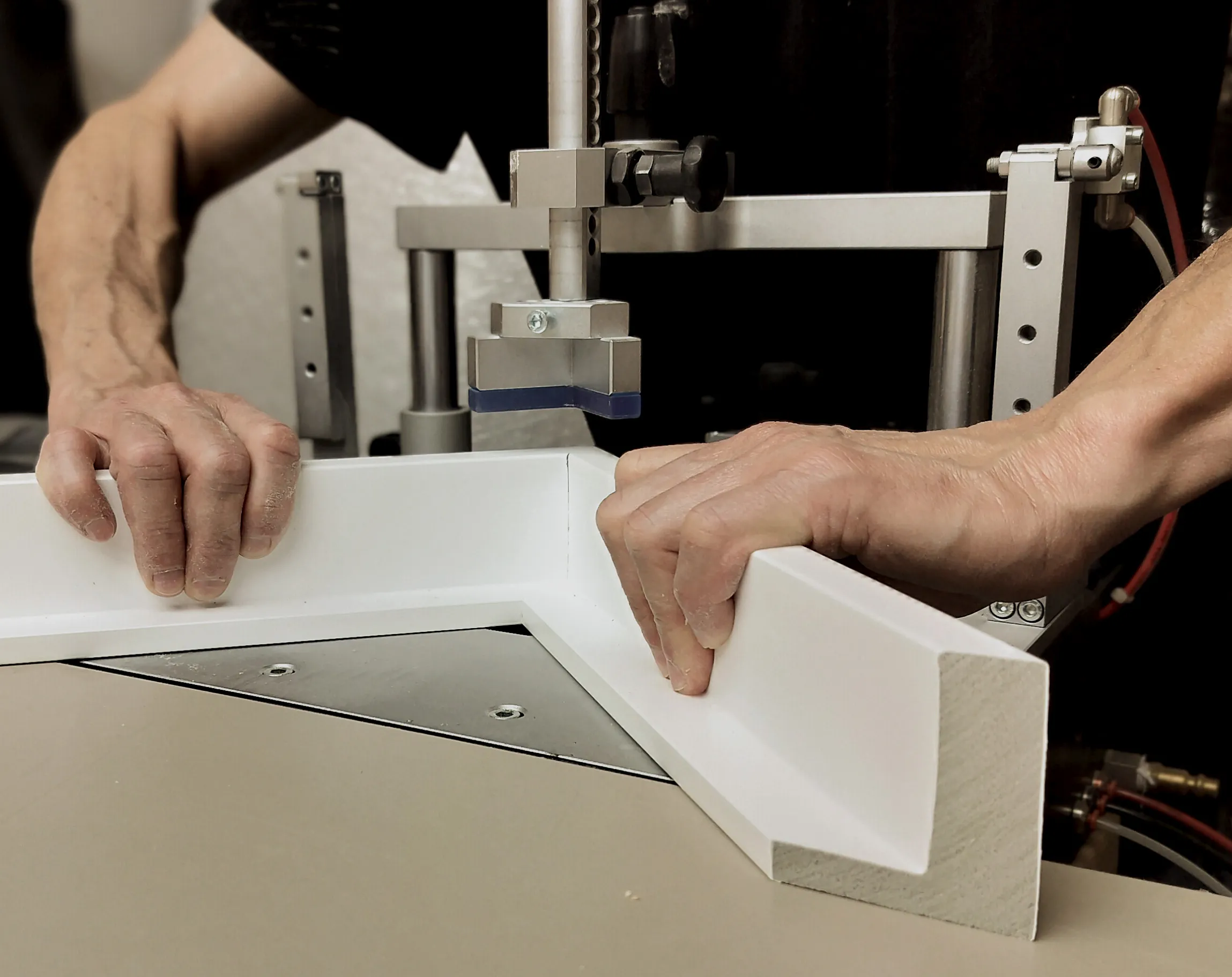
After the surface is finished, the piece moves into the workshop. The frame is measured, cut, assembled, and prepared with care.
This stage matters because the artwork is no longer only an image. It becomes an object — something built, held, protected, and prepared to enter the home.
Arrival is part of the work
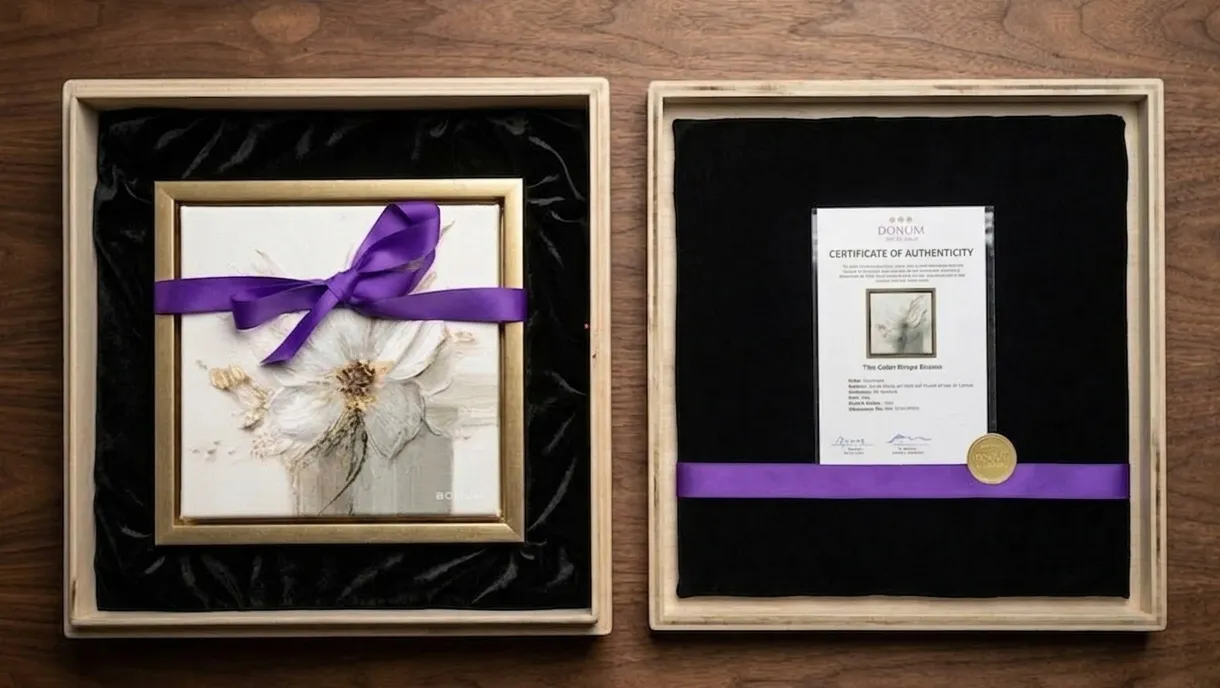
The box, the protection, the certificate, and the final preparation are part of the same gesture. The piece should not feel like an object taken from inventory. It should feel prepared for the room it is about to enter.
That is the final purpose of the process: that the work arrives with presence — ready to become part of the atmosphere, memory, and feeling of the home.
The hand only executes what has been prepared.
Painting does not happen in the hand alone. The hand follows what thought, observation, discipline, and experience have already shaped.
At Bonum Art Gallery, a piece is never made only to fill a wall. It is made to shape the feeling of a room.
Back to Studio Notes →