
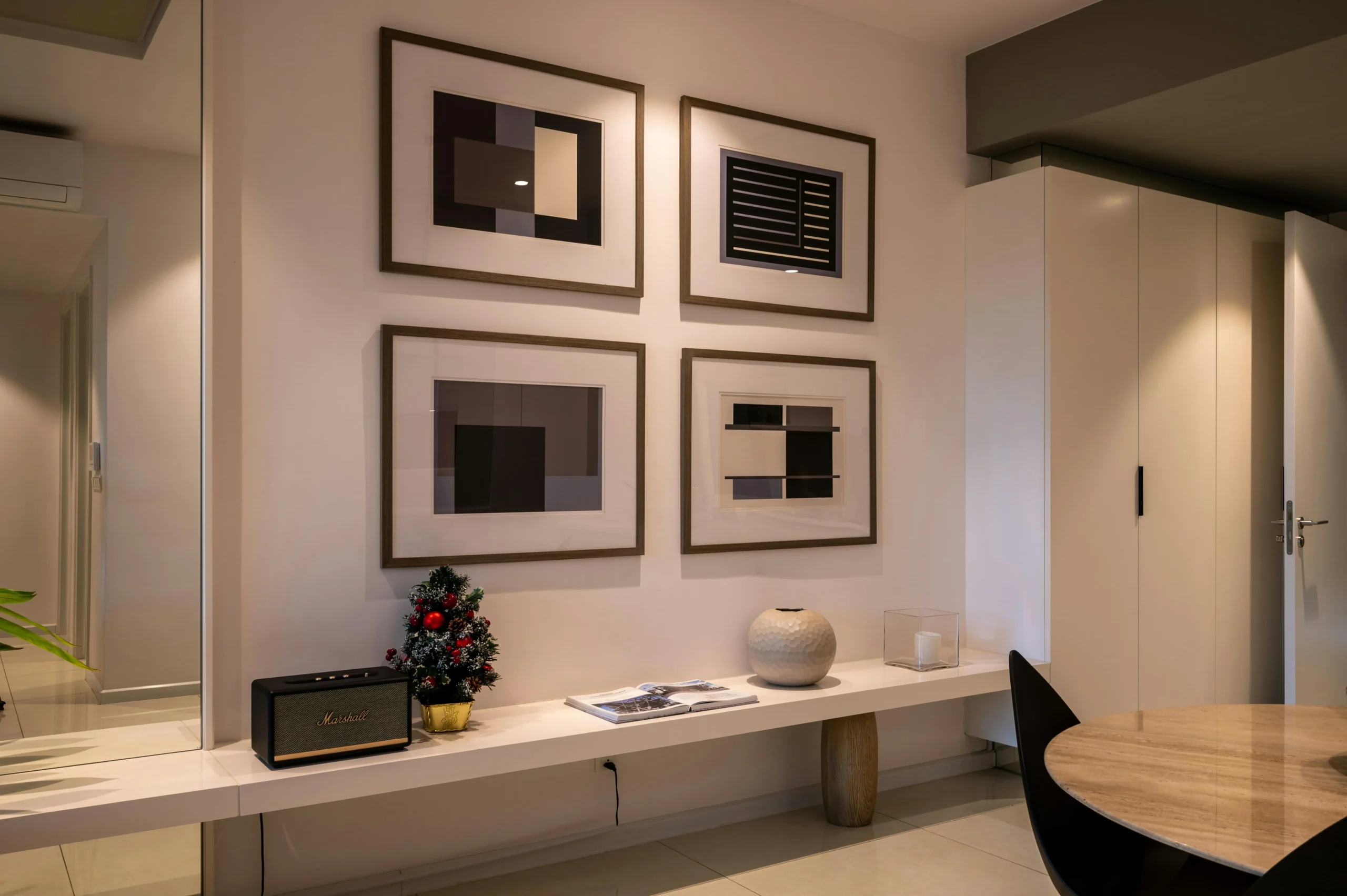
Height at the eyes, not the numbers.
A piece is rarely wrong in size before it is wrong in height.
Art finds the viewer at the resting line of the gaze.
The body knows height before the tape measure does.
When a piece feels wrong on a wall, most people look first at its size.
They wonder if it is too small, too large, too narrow, or too quiet for the room. But many times, the piece itself is not the problem.
The problem is that the work is floating above or below the body’s natural line of rest.
A room is not only measured in inches. It is measured in posture, distance, movement, and the way a person enters, sits, pauses, and looks.
This is why a piece can be technically centered and still feel uncomfortable. It may obey the wall, but ignore the viewer.
Height should not begin with the ceiling. It should not begin with the frame. It should begin with the person who will live with the work every day.
The right height is the place where the eye can arrive without effort.
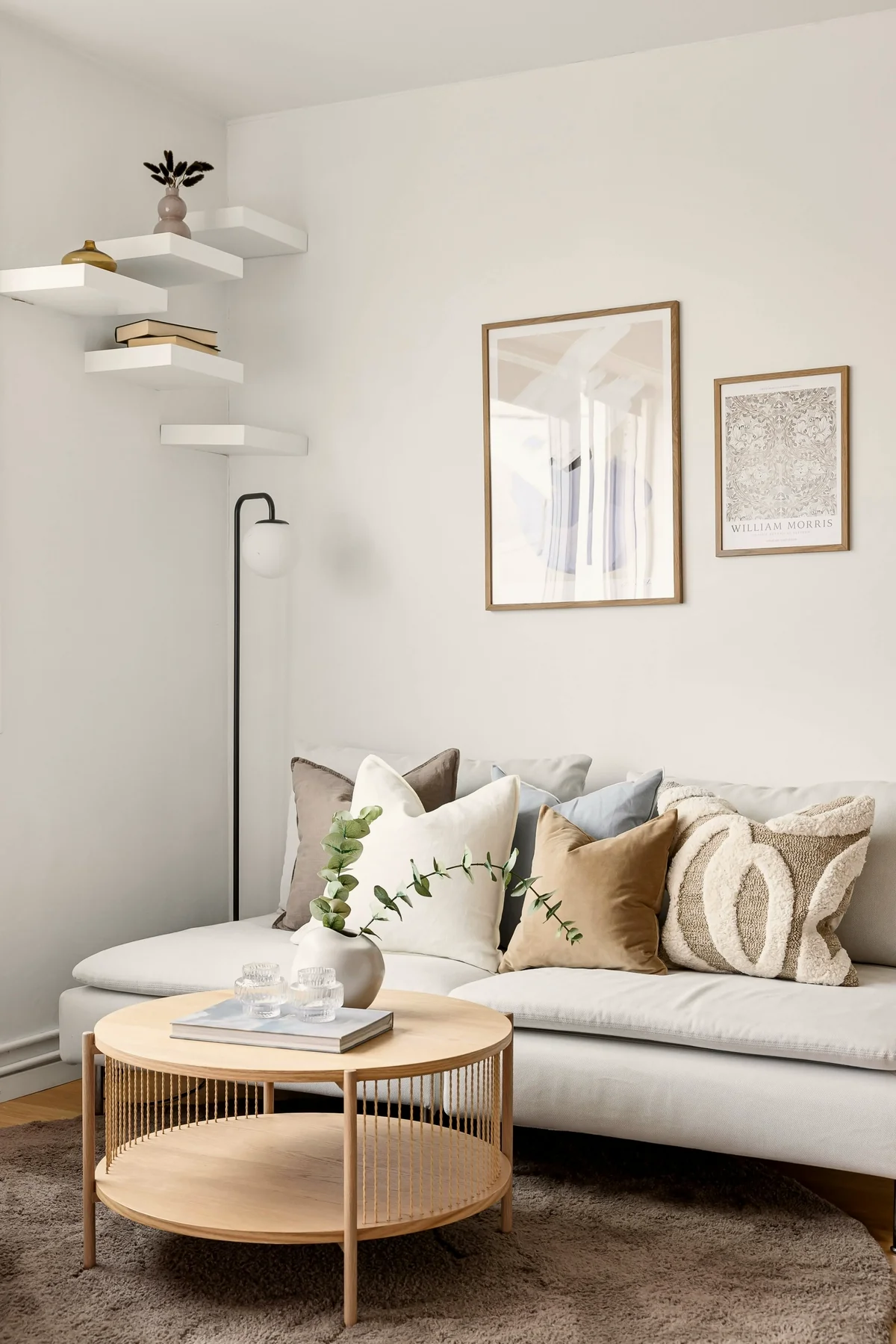
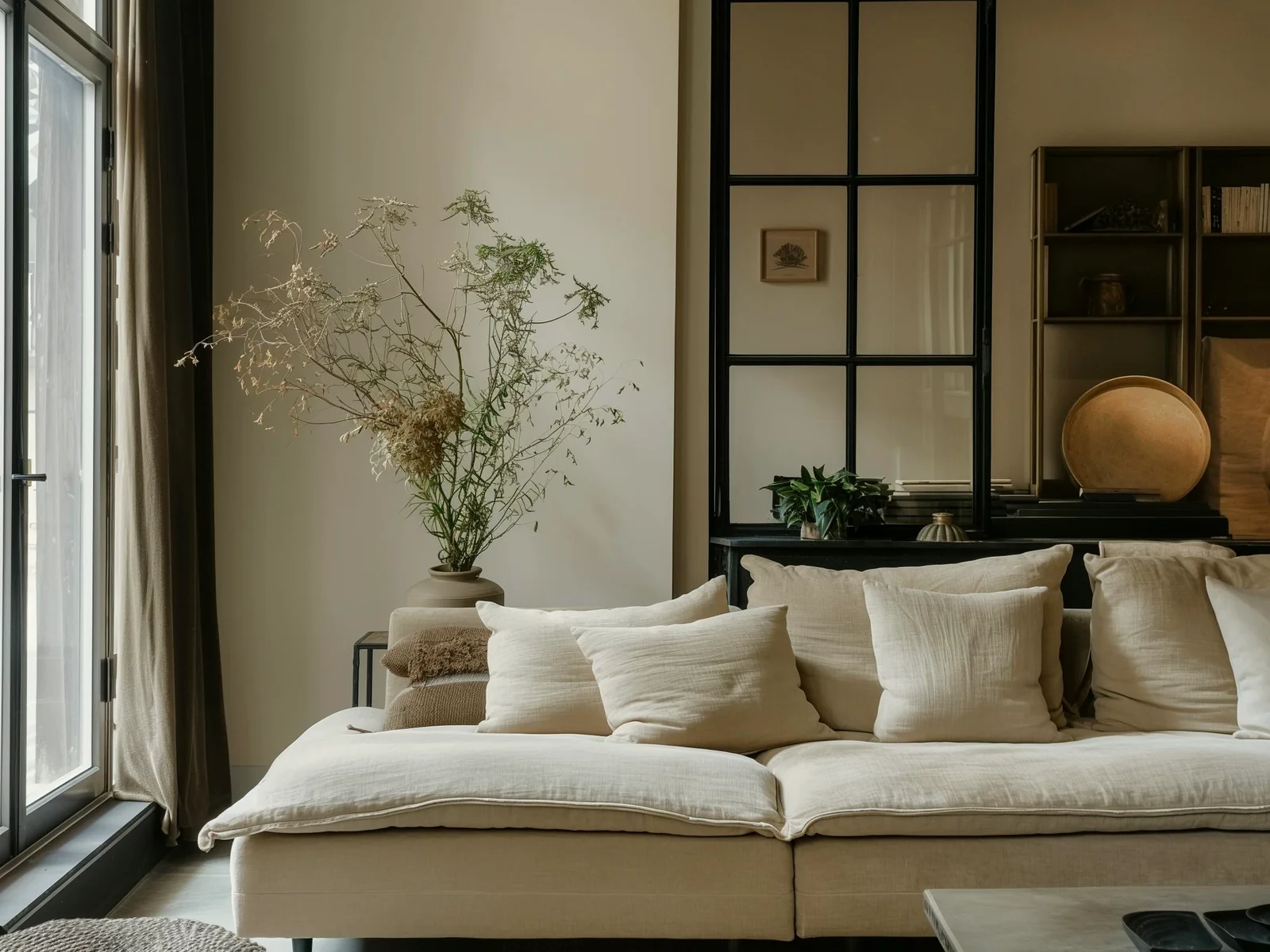
Numbers help after the body has already answered.
There are useful rules for hanging art. They can help. They can prevent obvious mistakes. But rules should confirm what the body already senses, not replace it.
The question is not only: how many inches from the floor?
The better question is:
Where does the gaze naturally rest?
Is this wall seen standing, sitting, or passing by?
Does the piece meet the room, or hover above it?
A piece over a sofa belongs to the relationship between the sofa, the wall, and the person sitting there.
A piece in a hallway belongs to movement.
A piece in an entry belongs to arrival.
A piece in a dining room belongs to seated conversation.
The same artwork may need a different height depending on the life around it.
When height is right, the room becomes easier to read. The piece does not shout for attention. It simply waits where the eye expects to find it.
Find the resting line before you hang the piece.
Before measuring from the floor, read the room from the position where the work will actually be experienced. These five steps help you place art from the body, not only from the wall.
Sit or stand where the room is lived.
If the piece belongs above a sofa, sit on the sofa. If it belongs in an entry, stand at the point of arrival. Let the real position of the viewer guide the decision.
Look straight ahead.
Do not look up yet. Do not look for the wall. Let your gaze settle naturally. Notice the height where your eyes want to rest without effort.
Mark the center, not the top.
The center of the artwork — not the top edge — should speak to that resting line. A piece feels grounded when its visual center meets the body.
Check the furniture below.
If the work hangs above a sofa, console, bed, or chair, the height must belong to that relationship. The piece should feel connected, not stranded.
Walk away and return.
Leave the room and enter again. If the artwork meets you naturally, the height is close. If your eyes have to climb or drop to find it, adjust before making the final mark.
A room feels calmer when the artwork meets the body before it asks to be admired.
Good placement does not call attention to itself. It lets the room breathe.
Height is not a number first. It is a relationship between the work, the wall, the furniture, and the person who lives with them. When a piece rests at the right height, the room feels less arranged and more inhabited. The eye arrives. The body settles. The wall begins to feel resolved.
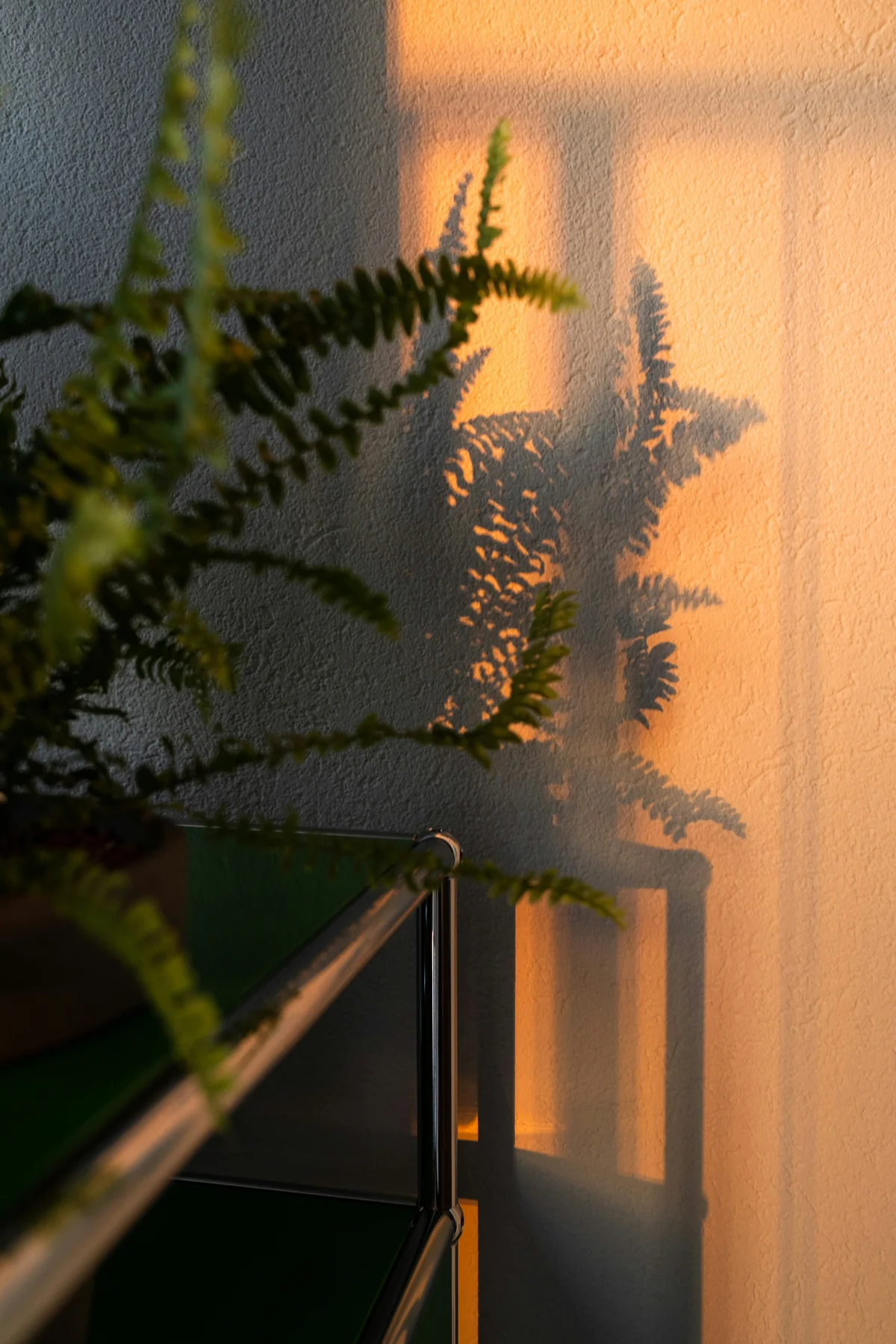
Light that reveals.
Why a piece poorly lit is a piece absent — and how the hour of the day can change the way a room remembers the work.
Read next →Images sourced from Pexels and edited for the Bonum Studio editorial experience.