
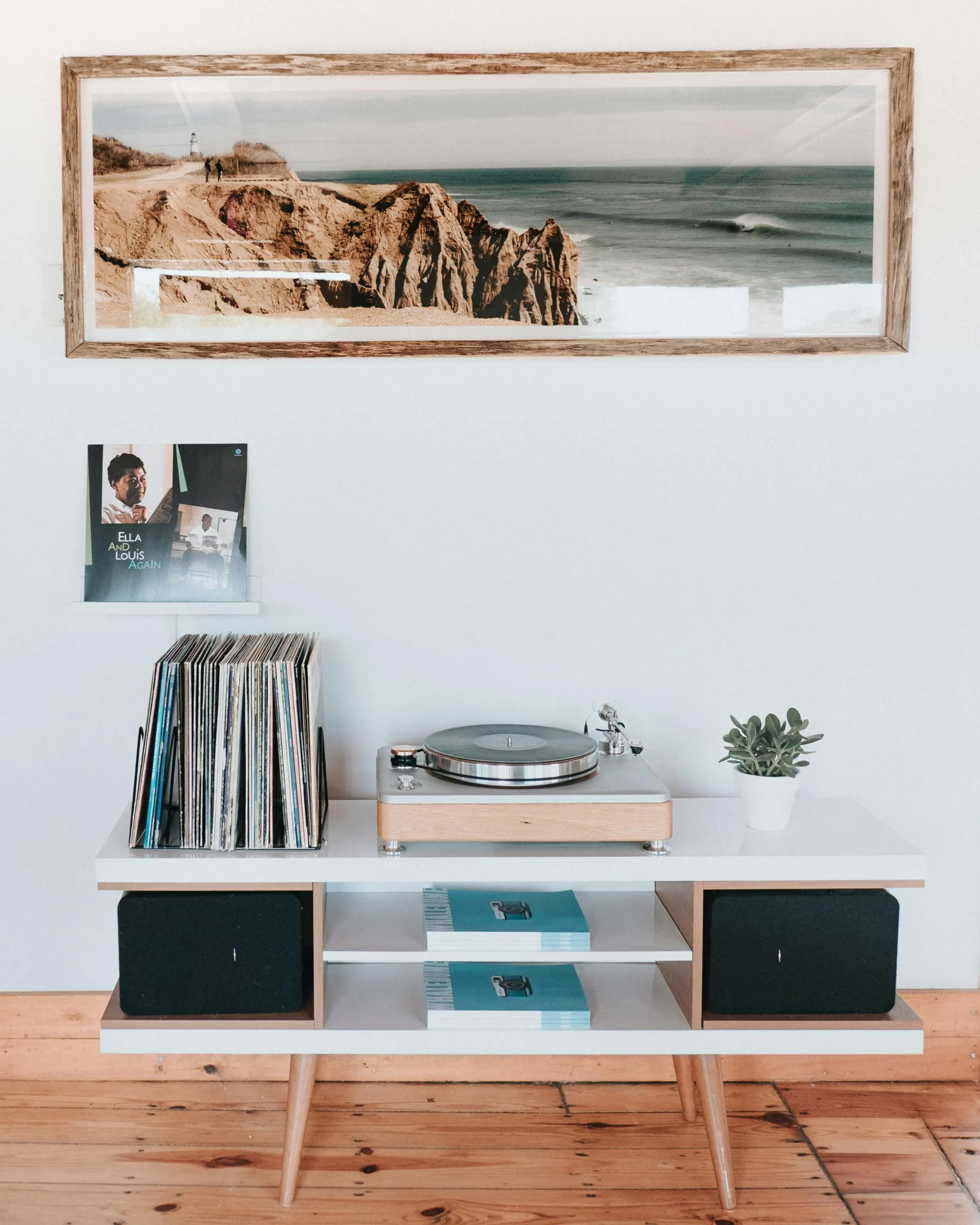
Inhabiting in layers.
A refuge is not created all at once. It is built one layer at a time.
A home gains meaning slowly, through the life that gathers there.
A room becomes a refuge through accumulated meaning.
A home is not finished the day the furniture arrives.
It begins there, perhaps. But the feeling of home is built more slowly — through repeated gestures, familiar objects, remembered moments, changing light, and pieces chosen because they continue to matter.
A refuge is not installed. It is inhabited.
The most meaningful rooms rarely feel perfect in a showroom sense. They feel layered. A chair has a purpose. A lamp has a time of day. A book returns to the same table. A piece of art becomes part of the room’s emotional weather.
Layers do not mean clutter. They mean evidence of life arranged with care.
A room with no layers can feel correct but distant. A room with too many layers can feel heavy. The work is to allow meaning to gather without losing calm.
The goal is not to complete the room quickly. The goal is to let the room become more itself over time.
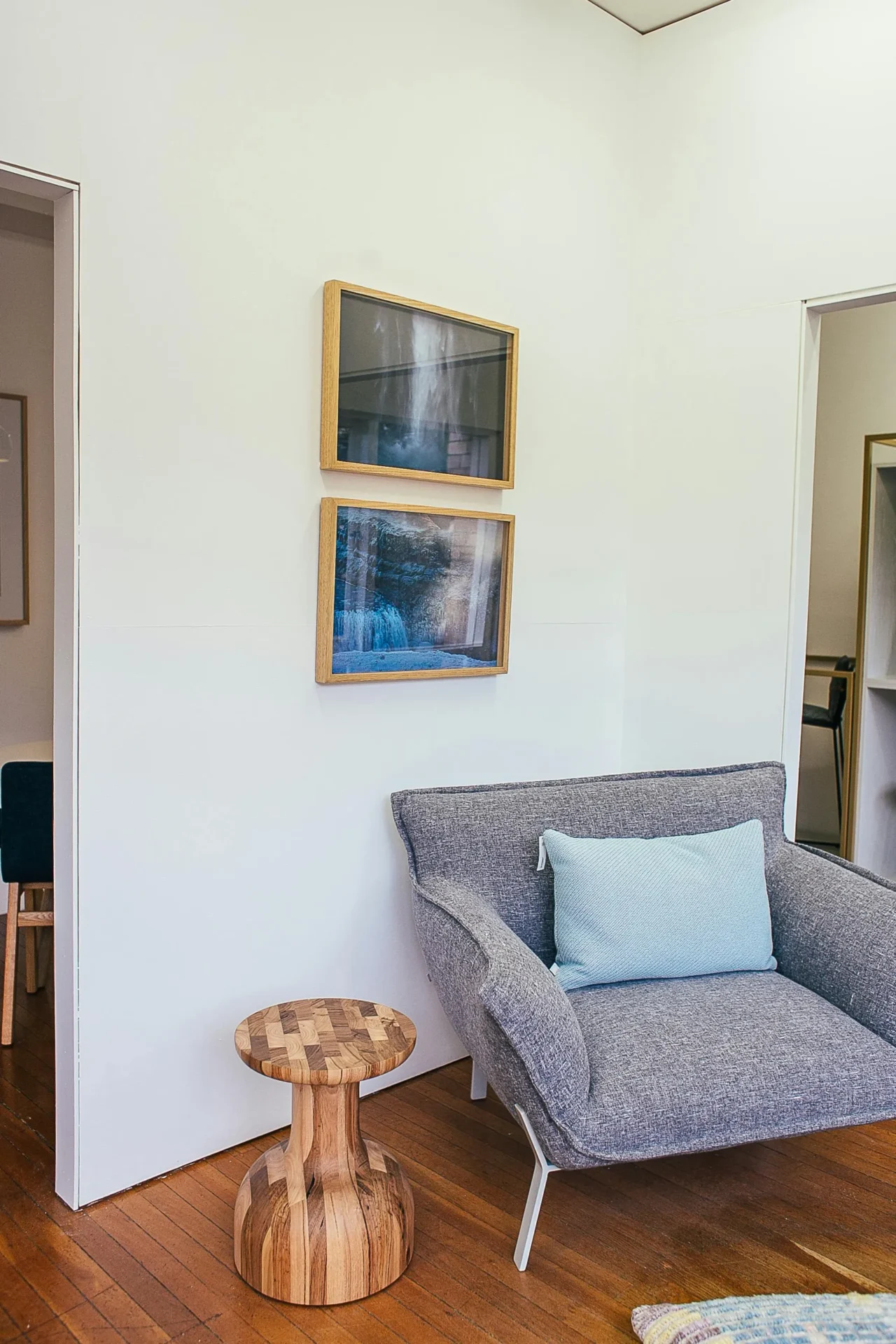
The room should hold memory without becoming noise.
Layers are powerful because they make a room feel human.
They tell the difference between a space that was decorated and a space that is lived in. But not every object deserves to remain visible. Not every memory needs to occupy the same level of attention.
The better questions are:
What layer gives the room emotional weight?
What layer brings calm?
What layer can be edited without losing meaning?
Art can become one of the strongest layers in a home because it does not simply occupy space. It holds mood, memory, color, story, aspiration, and atmosphere.
A lamp may create the hour. A chair may create the pause. A piece may create the emotional center. A small object may bring memory into the room without asking too much attention.
A layered room is not full. It is resonant.
When layers are chosen with restraint, the home feels both personal and peaceful. It carries life without becoming visually exhausted.
Build the room in layers, not all at once.
Before adding more to a room, identify what each layer is doing. These five quiet steps help you build meaning without losing calm.
Identify the anchor.
Choose the element that gives the room its emotional center: a piece of art, a chair, a table, a view, or the wall that receives you first.
Add one layer of use.
Notice what the room is for: reading, resting, conversation, music, dining, or arrival. Let use guide what deserves to stay visible.
Add one layer of memory.
Include something personal, but give it room. A meaningful object becomes stronger when it is not surrounded by too much noise.
Add one layer of light.
A lamp, window, candle, or soft reflection can make the room feel inhabited at a specific hour. Light tells the room when to become intimate.
Edit before adding the final layer.
Before placing one more object, remove one thing that is no longer helping the room. A layered space needs rhythm, not accumulation.
A refuge is built slowly enough for meaning to stay visible.
A home is not finished when it is furnished. It is finished when it begins to hold life.
The most enduring rooms are not made from one decision. They are made from layers that gather over time: light, memory, use, silence, art, and daily ritual. When each layer has a reason to be there, the room becomes more than beautiful. It becomes a place where the body recognizes belonging.

Neuroarchitecture — how the body reads a room.
Quiet notes on refuge, visual rest, light, rhythm, and the way the body recognizes safety before the mind explains it.
Read next →Images sourced from Pexels and Unsplash, edited for the Bonum Studio editorial experience.