Building a room that gathers meaning without tipping into clutter.
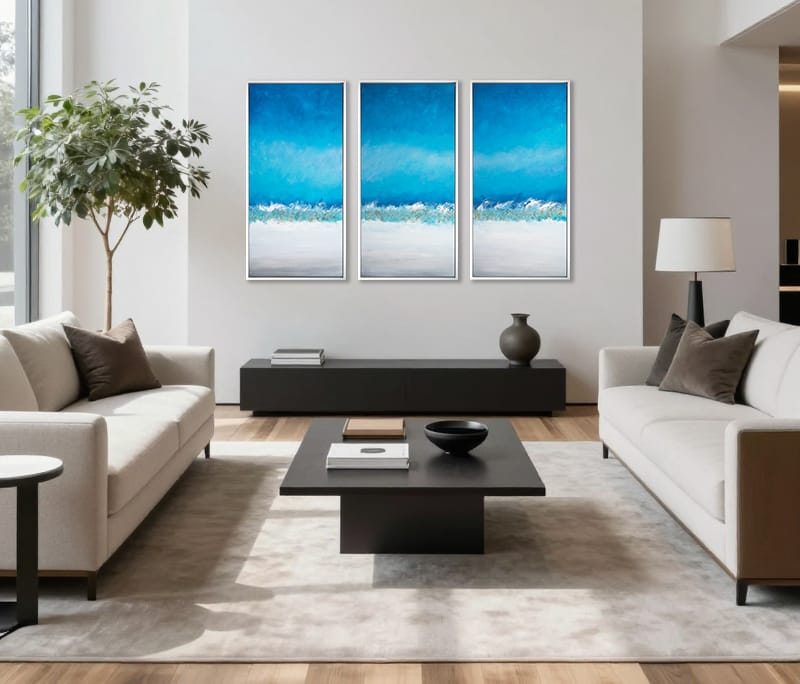
A room that feels lived-in and a room that feels cluttered can hold the same number of things. The difference isn’t quantity — it’s order. A room gathers meaning when its pieces are added with intention, one layer at a time.
Every considered room has an anchor: the one piece everything else relates to. Around it, a room builds in layers — things you use, things you remember, the way light falls.
Added with intention, each layer deepens the room. Added at random, the same things read as clutter. The test isn’t how much is there. It’s whether each piece can say why it’s there.
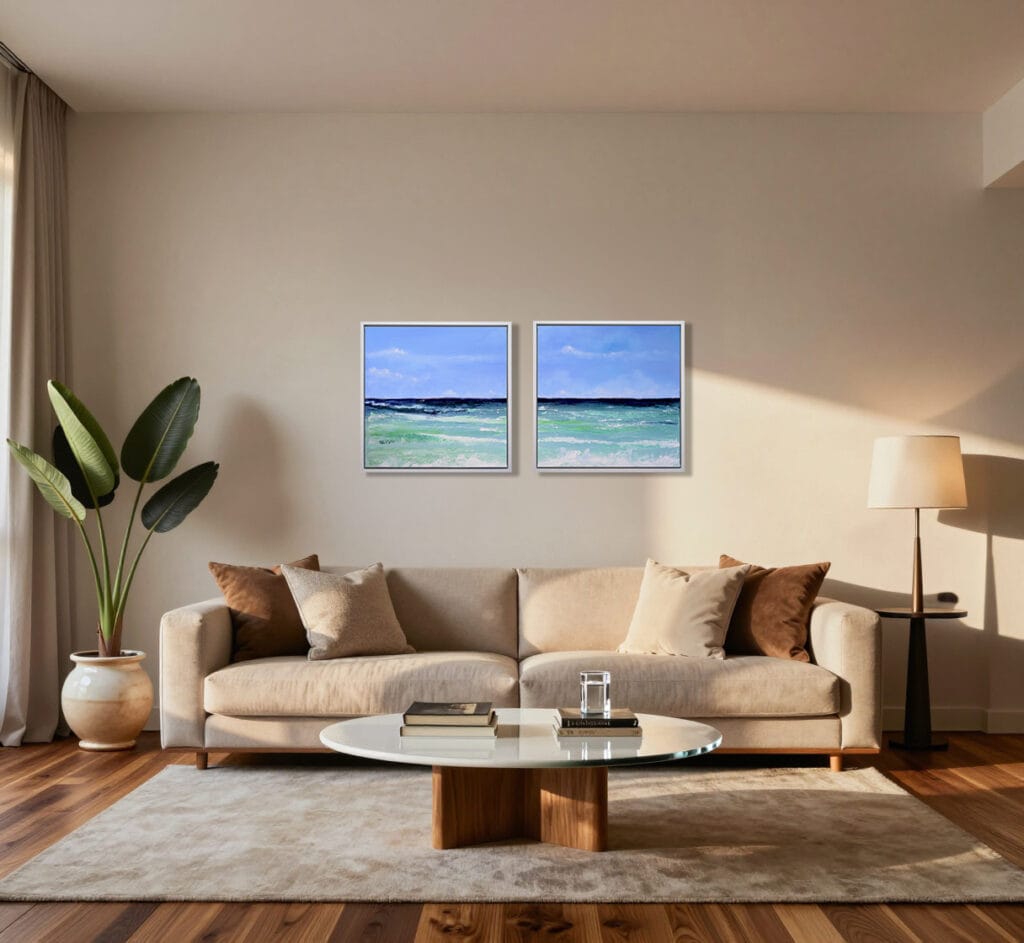
Rooms rarely tip into clutter all at once. They drift — one more object, then another, each fine on its own, until the anchor gets lost in the crowd.
The fix isn’t to strip the room bare. It’s to keep the anchor clear and let everything else earn its place around it, slowly, the way a home actually grows.
Let the room grow by edits, not just additions.
In your home
Keep the anchor clear —
everything else earns its place.
A room doesn’t become yours by filling up.
It becomes yours in layers — each one chosen, each one earning its place beside the last.
With care Bonum Studio