
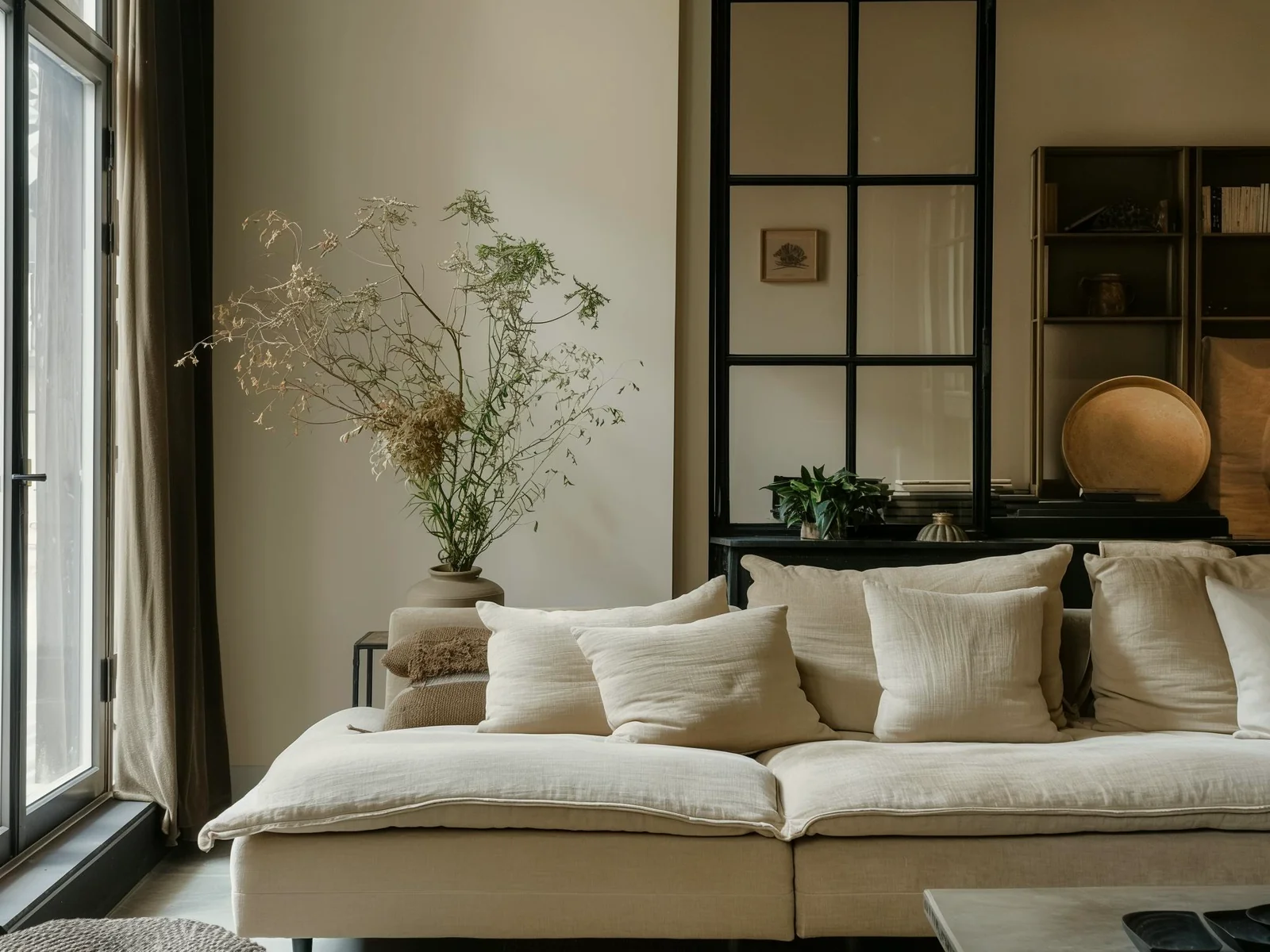
Six things an architect notices the moment they enter your home.
A short field guide for readers who suspect their walls have been talking — and want to learn how to listen.
A house becomes a refuge in six small decisions, not in one large purchase.
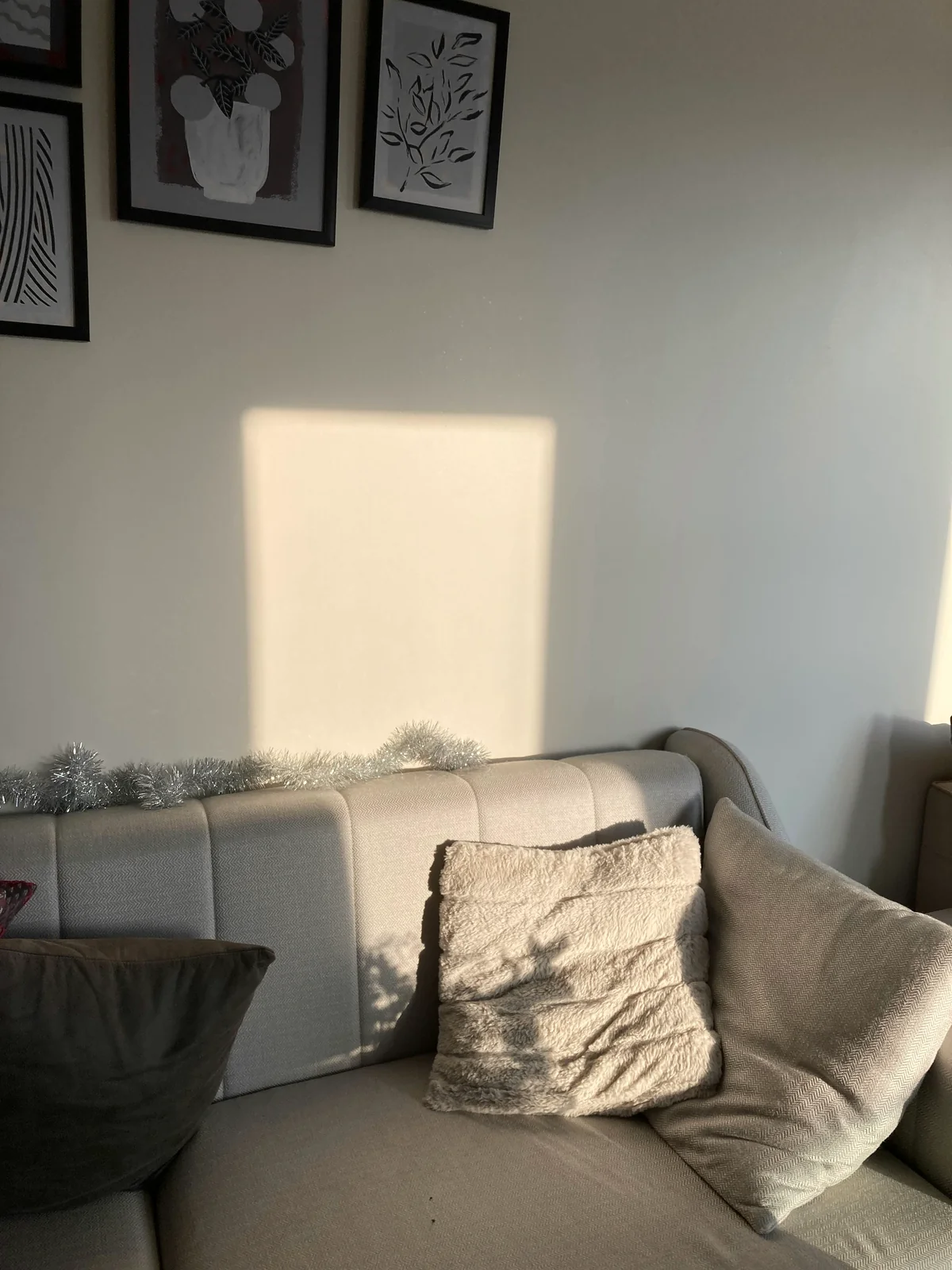
The wall of arrival.
The wall your body finds before your eyes do sets the temperature of the house.
Stand at the door of your living room. Close your eyes for three seconds. Open them. The wall you land on first is your wall of arrival.
Height at the eyes, not the numbers.
A piece is rarely wrong in size before it is wrong in height.
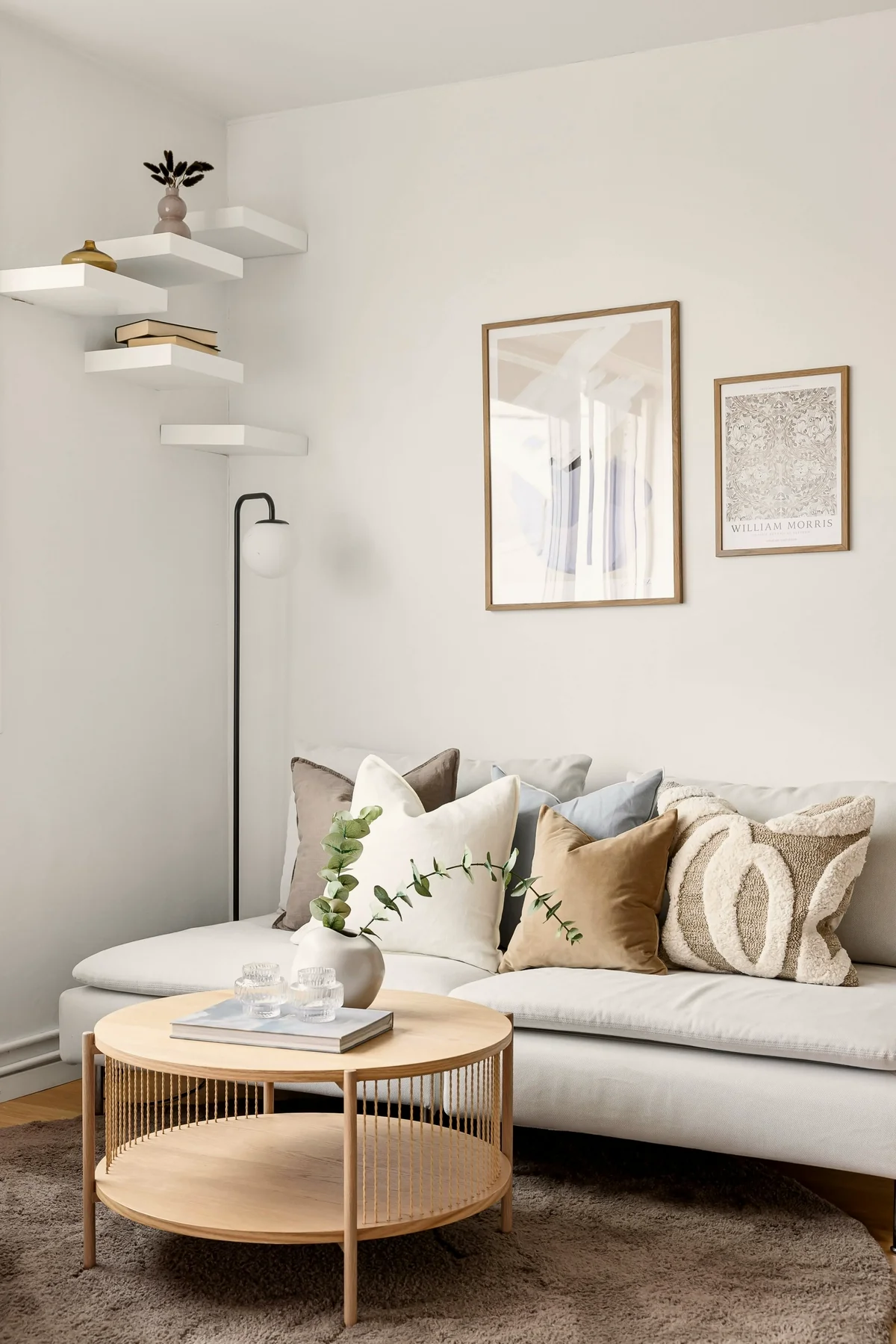
Sit on your sofa. Look straight ahead. Note where your gaze rests. The center of the artwork — not the top — should meet that line.
Light that reveals.
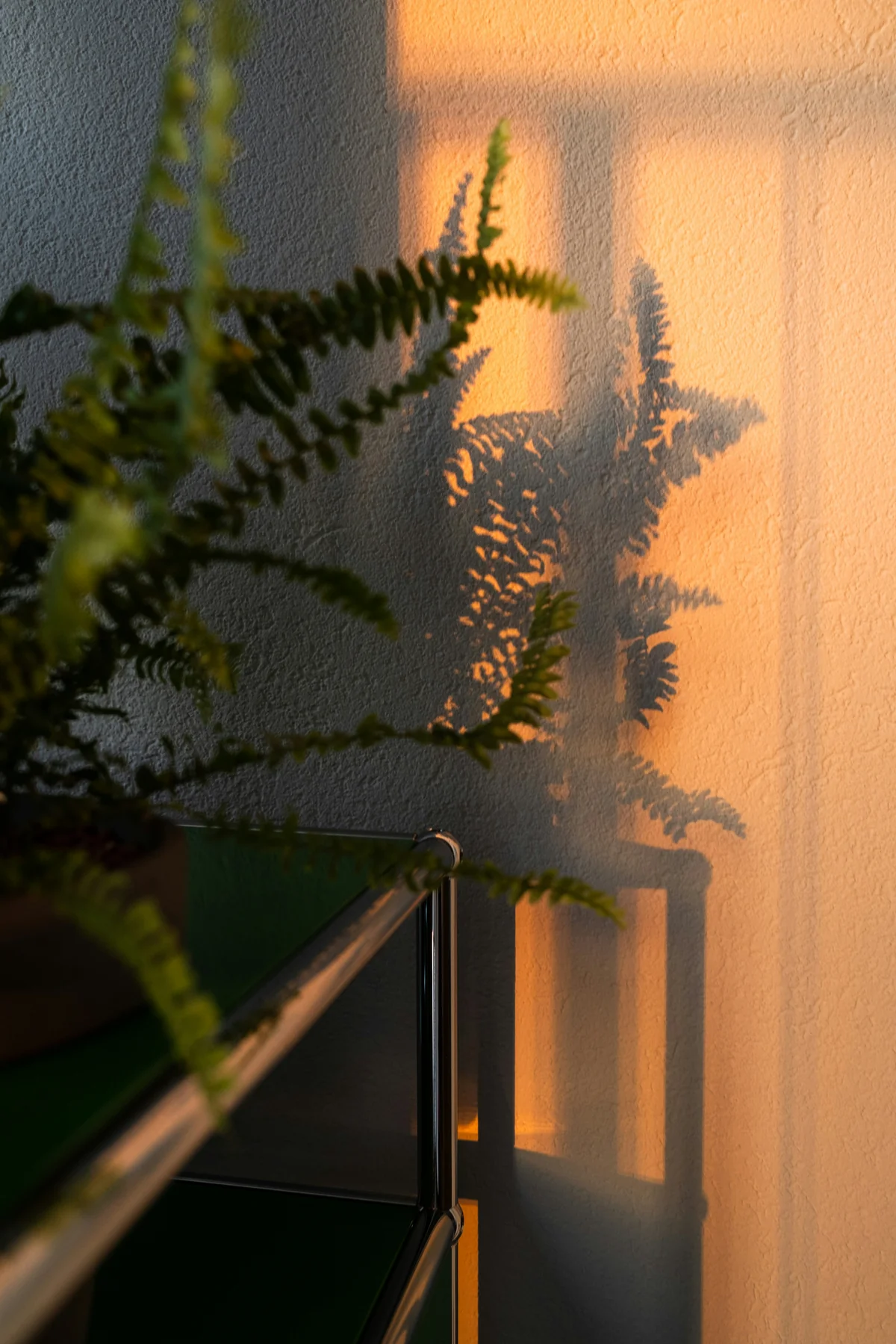
A piece poorly lit is a piece absent. The light makes the work, or it unmakes it.
Walk past your art three times today: morning, afternoon, evening. The hour at which the piece comes alive is the hour the room remembers.
Scale as relationship.
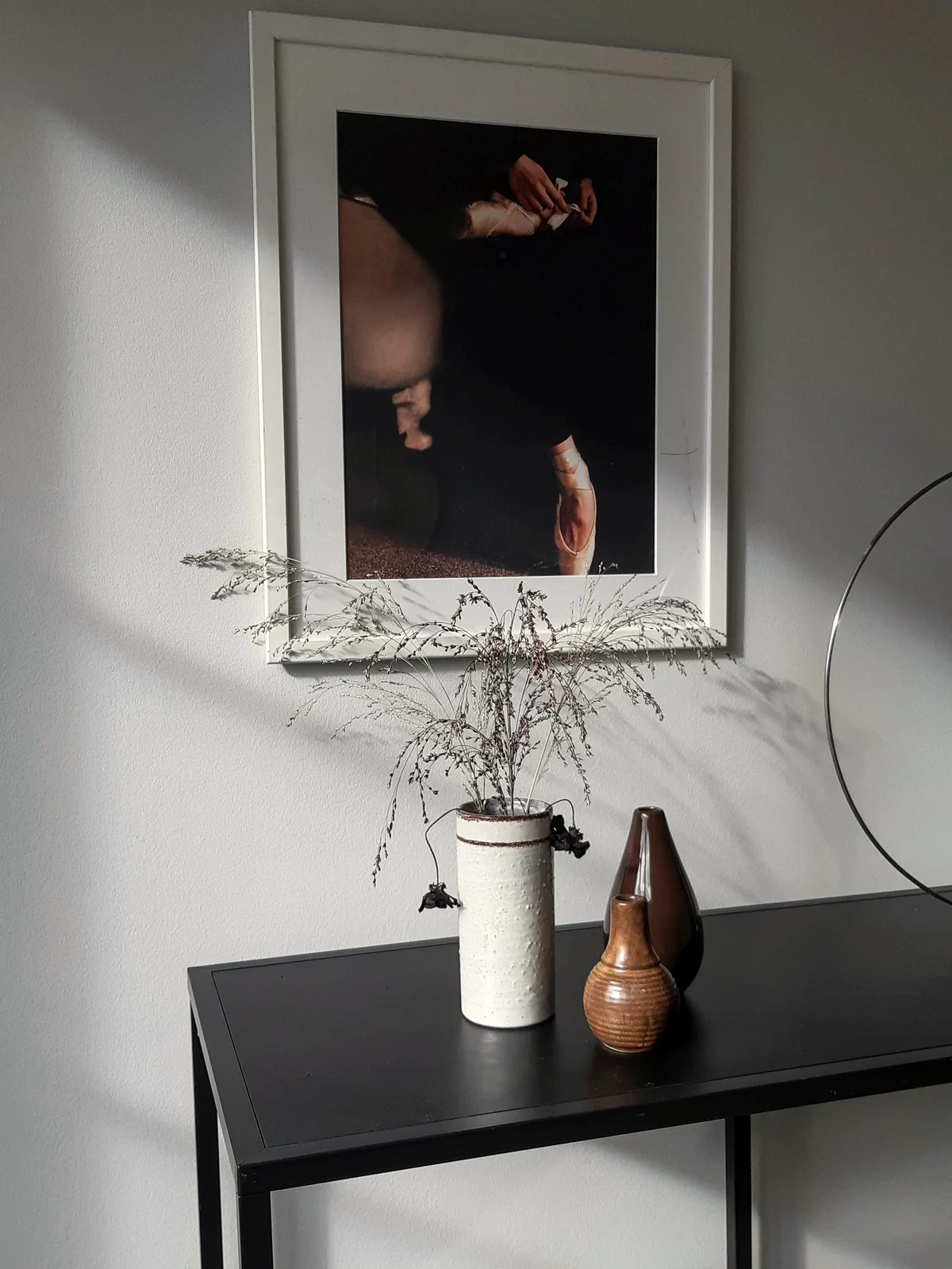
A piece is not large or small. It is large or small in conversation with the furniture below it.
Measure the width of the console or sofa beneath the wall. The piece should occupy between half and three-quarters of that width — never more, rarely less.
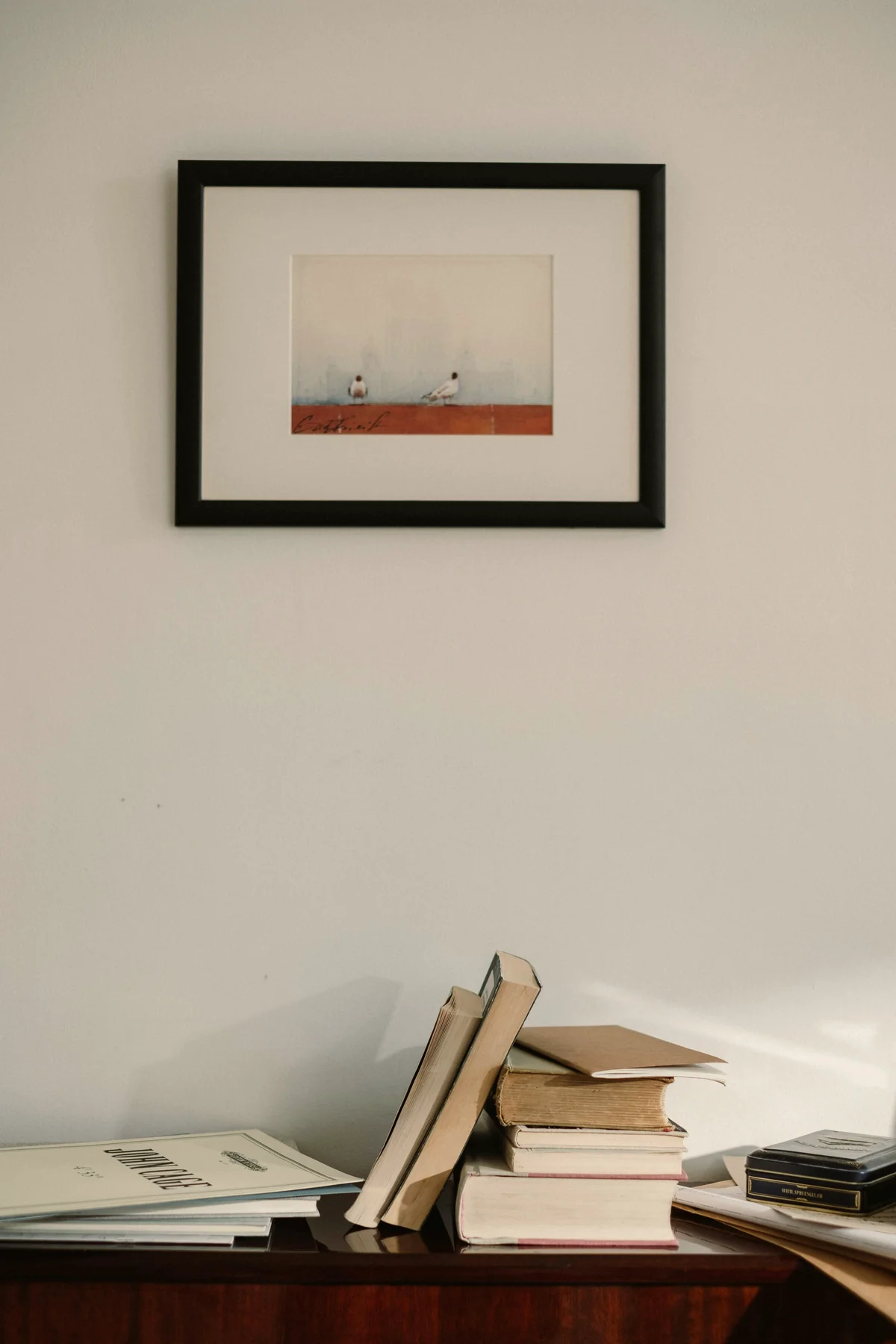
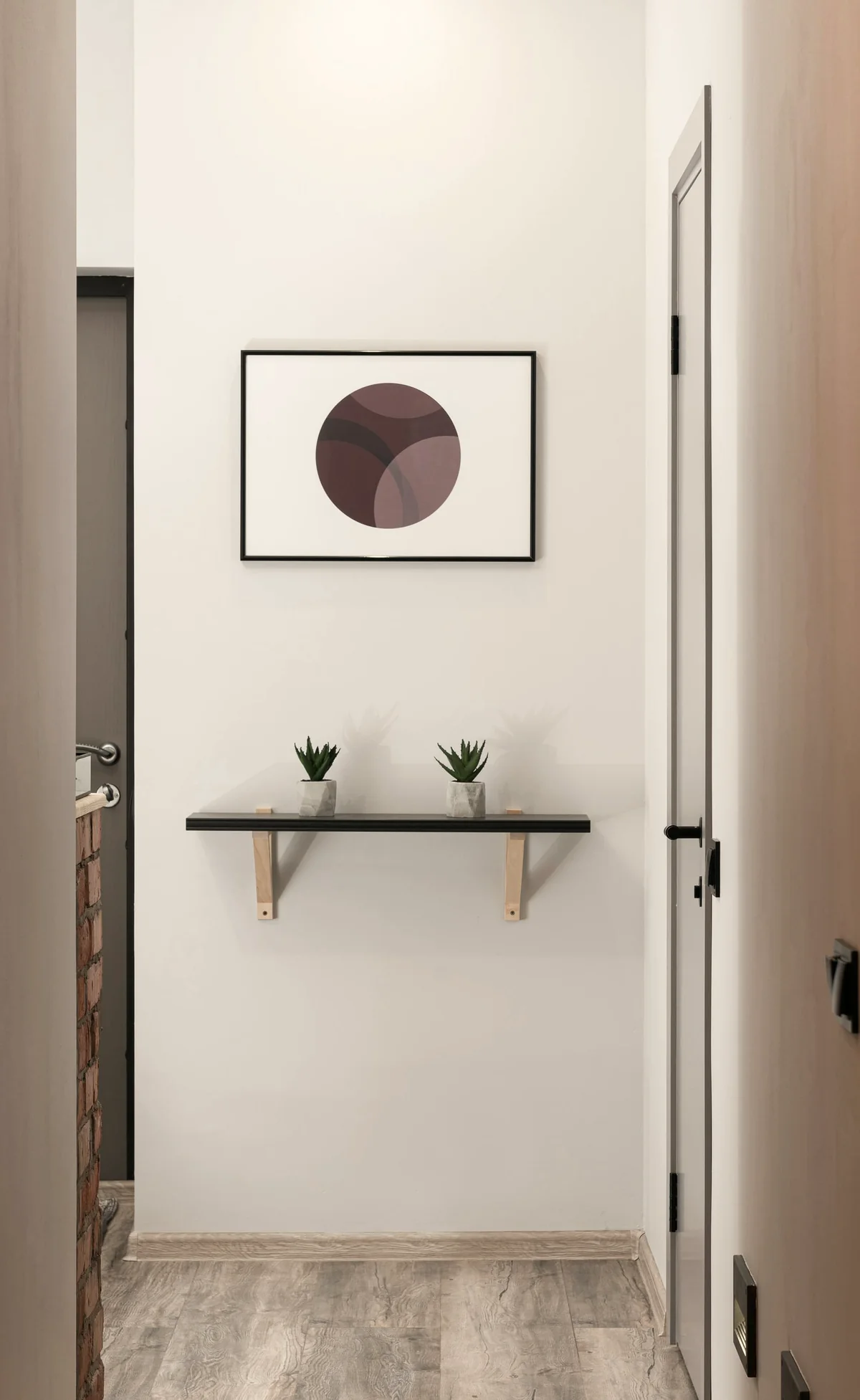
Silence as part of the work.
What you leave empty is part of the composition. Not every wall asks to be filled.
Pick the wall in your home that says the most. Then ask: what would happen if half of it stayed empty? Often, that answer is the design.
Inhabiting in layers.
A refuge is not a project with a delivery date. It is a long habit, built one piece at a time.
Look at the room you live in most. Name three things that arrived in different years. That conversation between objects is what makes the room yours.
You don’t need more art on the walls. You need the right wall to start with.
A quiet correspondence from the studio, every ten days. Each note develops one of these principles further.